What this guide helps you decide
Use the article to prepare questions, compare public listing signals, and avoid choosing a provider from one headline, rating, or search result alone.
- 1. Understanding Roof Racks and Their Vulnerabilities
- 2. Pre-Wash Preparation and Inspection
- 3. Choosing the Right Cleaning Tools and Products
- Confirm current hours, services, prices, appointment rules, and availability with the provider.
- Compare more than one listing when the decision affects safety, cost, or travel time.
- Use public ratings and photos as signals, not guarantees.
1. Understanding Roof Racks and Their Vulnerabilities
Roof racks are essential for transporting equipment such as bikes, luggage, and sports gear, but they are susceptible to damage during improper washing. Scratches, corrosion, and loosening of components can occur if improper techniques are used.
1.1 Types of Roof Racks
- Fixed roof racks with permanent mounting points.
- Detachable crossbars that can be adjusted or removed.
- Integrated roof rails that are part of the vehicle’s design.
1.2 Common Damage Risks
Scratches from abrasive cleaning tools, chemical corrosion from harsh detergents, and mechanical stress from improper handling are the primary risks during washing.
2. Pre-Wash Preparation and Inspection
Proper preparation ensures a safer wash and minimizes risks.
2.1 Inspect the Roof Rack
Check for loose bolts, rust spots, or damaged seals before washing. Tighten or repair as necessary to prevent further damage.
2.2 Remove Attachments
Remove detachable accessories like bike mounts, cargo boxes, or kayak holders to reduce the risk of scratching and to allow thorough cleaning.
2.3 Rinse Loose Dirt
Start with a gentle rinse using a hose to remove loose dust, bird droppings, or debris that could scratch surfaces during washing.
3. Choosing the Right Cleaning Tools and Products
Selecting appropriate tools is critical for protecting roof racks and the car’s paint.
3.1 Non-Abrasive Sponges and Microfiber Cloths
Soft sponges or microfiber mitts prevent scratches compared to brushes or rough cloths. Separate mitts for roof racks and body paint minimize cross-contamination of dirt particles.
3.2 Mild Automotive Detergents
Use pH-balanced, non-corrosive car soaps to protect the finish and prevent damage to aluminum or plastic components of the roof rack.
3.3 Soft Bristle Brushes for Tight Areas
Small, soft brushes can clean seams and crevices without causing scratches.
4. Safe Washing Techniques for Cars with Roof Racks
Technique is as important as tools in preventing damage.
4.1 Top-to-Bottom Washing Method
Start from the roof and work downward. Use gentle, circular motions to lift dirt without pushing it into the paint.
4.2 Pressure Control
If using a pressure washer, maintain a safe distance and use low-pressure settings. High pressure can loosen bolts or scratch surfaces.
4.3 Avoiding Aggressive Scrubbing
Do not apply excessive force. For stubborn grime, soak with soap and water first to soften dirt.
5. Drying and Protecting Roof Racks Post-Wash
Proper drying prevents water spots, corrosion, and streaks.
5.1 Microfiber Towels for Drying
Pat dry the roof rack using a clean microfiber towel. Avoid dragging cloths across the surface.
5.2 Protective Coatings
Apply wax or specialized roof rack protectant to metal surfaces. This reduces oxidation and prolongs the life of coatings.
5.3 Lubricating Moving Parts
For racks with adjustable or telescopic features, light lubrication prevents stiffness and ensures smooth operation.
6. Common Mistakes to Avoid When Washing Roof Racks
Understanding common errors can prevent damage and reduce maintenance costs.
6.1 Using Harsh Chemicals
Household cleaners or degreasers can corrode metal finishes. Stick to automotive-specific soaps.
6.2 Ignoring Tight Spots
Failing to clean around clamps and joints allows debris to accumulate, which can scratch paint over time.
6.3 Skipping Regular Maintenance
Periodic inspection and cleaning prevent rust and wear. Neglecting maintenance increases long-term repair costs.
7. Real-Life Case Studies and Lessons Learned
Practical examples illustrate the importance of proper techniques.
7.1 Alex’s Kayak Adventure
Alex, a 35-year-old outdoor enthusiast in Colorado, washed his SUV with roof-mounted kayaks improperly using a stiff brush. Minor scratches occurred along the rails. After consulting experts, he switched to microfiber mitts and mild soap, preventing further damage.
7.2 Rachel’s Family SUV
Rachel, a mother of three in California, consistently used professional-grade car wash at Gibby Car Wash with gentle, rack-safe methods. Her roof rack remained scratch-free and fully functional after three years, demonstrating the effectiveness of proper technique and professional guidance.
8. Professional Car Wash Services and Gibby Recommendations
Professional services provide specialized equipment and trained staff to protect roof racks.
8.1 Benefits of Professional Care
Services like Gibby Car Wash offer controlled water pressure, non-abrasive brushes, and protective coatings. This minimizes human error and ensures long-term preservation of racks.
8.2 Choosing Rack-Friendly Car Washes
Select facilities known for vehicle care, specifying roof rack protection. Some locations offer hand washes exclusively for vehicles with accessories.
9. Ongoing Maintenance for Roof Racks
Consistent care extends the life and functionality of roof racks.
9.1 Seasonal Inspections
Check bolts, seals, and coatings at least every six months or before long trips. Replace worn parts promptly.
9.2 Protective Covers
Consider using removable covers for roof racks when not in use, protecting against sun, rain, and dust accumulation.
9.3 Lubrication and Rust Prevention
Regularly lubricate moving parts and apply anti-corrosion treatments to metal components. This ensures smooth operation and prevents long-term damage.
By following these careful washing techniques and maintenance tips, vehicle owners can enjoy the full functionality of roof racks without compromising the integrity of their cars. For professional assistance, Gibby Car Wash offers expert care, product recommendations, and services tailored to vehicles with roof racks, ensuring safety and longevity.
Related Car Wash Guides
Keep reading if you are still comparing service scope, estimate questions, maintenance needs, or listing quality.
 How to Clean Car Navigation Screen Without DamageLearn How to Clean Car Navigation Screen safely without harsh chemicals. Discover the best cleaning methods, tools, mistakes to avoid, and professional car care tips for keeping your touchscreen clear.
 Why Wash Your Car Before Waxing or Sealing? Prep MattersLearn why you should wash your car before applying wax or sealant and how proper prep work improves shine, protection, and long-lasting results for your vehicle.
 Steam Car Wash Near Me for Interior Sanitizing Without WaterDiscover how a car wash near me that uses steam cleaning can sanitize your vehicle interior without water, remove odors, and provide an eco friendly deep cleaning solution.
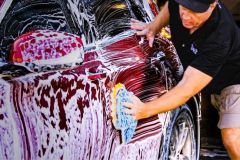 Best Car Wash for Chevy Equinox Plastic Trim CareDiscover how to choose the best car wash near me for Chevy Equinox models and prevent plastic trim drying streaks with proper washing and detailing techniques.
 Car Wash Near Me With Fleet Account Management and ReportsDiscover how a car wash near me with fleet account management, online billing, and detailed reports helps businesses save time, control costs, and keep company vehicles clean.
 Best Car Wash for Convertible Tops Near Me