What this guide helps you decide
Use the article to prepare questions, compare public listing signals, and avoid choosing a provider from one headline, rating, or search result alone.
- Car Door Jamb Cleaning: Protect Paint and Electronics
- Quick answer
- Know the areas
- Confirm current hours, services, prices, appointment rules, and availability with the provider.
- Compare more than one listing when the decision affects safety, cost, or travel time.
- Use public ratings and photos as signals, not guarantees.
Car Door Jamb Cleaning: Protect Paint and Electronics
On this page
Quick answer
Clean car door jambs with the vehicle parked, electronics off, and doors securely supported. Remove loose grit first, apply a compatible cleaner to a microfiber towel or soft brush instead of flooding the area, wipe painted surfaces and seals gently, and dry every seam. Keep liquid away from wiring connectors, latch mechanisms, speakers, switches, and drain openings. Stop if you find corrosion, damaged wiring, torn seals, or trapped water.
Door jambs are the painted frame, sill, hinge-side recess, latch area, seals, and nearby trim hidden when a vehicle door is closed.
Know the areas
- painted sills and frame edges;
- rubber weather seals and their channels;
- hinges, check straps, and latch hardware;
- wiring boots and connectors;
- door drains and lower seams;
- labels and protective films.
Different materials need different products. Use the owner’s manual and product label rather than one strong cleaner everywhere.
Prepare safely
- Park on level ground away from traffic and set the parking brake.
- Switch off the vehicle and keep keys away from automatic doors.
- Work in shade on cool surfaces.
- Vacuum or lift loose sand with a soft dry brush.
- Test the cleaner on a hidden compatible area.
- Use separate towels for dirty jambs and exterior paint.
Watch children and pets around open doors. Wind can move a door suddenly; do not rely on your body to hold it.
Cleaning steps
- Start at the upper frame and work downward.
- Apply diluted cleaner as directed to the towel or brush.
- Agitate small sections without scrubbing labels or wiring.
- Wipe residue with a damp clean towel.
- Clean seals with a compatible method and inspect for grit.
- Dry seams, hinges, sill edges, and the latch area.
- Open and close the door slowly to confirm normal operation.
For grease near hinges, use only products approved for the surrounding finish and avoid removing necessary lubricant. Ask a technician before relubricating unfamiliar hardware.
What to avoid
- pressure washers or strong hose streams inside jambs;
- soaking electrical boots, switches, speakers, or connectors;
- sharp tools in drain holes;
- abrasive pads on paint, seals, or labels;
- solvents not approved for automotive finishes;
- spraying lubricant onto brake, pedal, or walking surfaces.
Inspect after cleaning
Check for chipped paint, rust staining, pooled water, torn seals, loose trim, damaged wiring boots, clogged drains, and latches that feel different. Dry again before closing the vehicle for long storage.
Seek professional inspection for spreading corrosion, water inside the cabin, repeated electrical faults, a sagging door, damaged hinge mounts, or a latch that does not secure reliably.
Important notes
This is general vehicle-care information. Materials, drainage, powered doors, frameless windows, sensors, and lubrication points vary. Follow manufacturer guidance. Never place fingers in a powered door or latch path.
Evidence notes
The method reflects common detailing practice: remove grit first, minimize liquid, use compatible products, clean top-down, dry seams, and inspect hardware. Vehicle and product manufacturers are the primary sources for a specific car.
FAQ
Can I use a pressure washer?
Not inside jambs unless the vehicle maker and professional procedure specifically allow it; sensitive components and cabin openings are nearby.
Should I clean weather seals?
Yes, gently with a compatible method. Replace or inspect torn, hardened, or displaced seals.
Can I wax painted jambs?
Use only a finish compatible with the paint and keep it off seals, labels, latches, and walking surfaces.
Why is water collecting at the door bottom?
Drainage or seal issues may be involved. Do not probe blindly; obtain model-specific inspection.
How often should jambs be cleaned?
Inspect with normal washes and clean when grit, salt, mud, or spills accumulate. Conditions matter more than a fixed schedule.
Next steps
Gather soft towels and a compatible cleaner, remove loose grit, and work in small top-down sections without flooding. Dry thoroughly and test each door. Arrange inspection if you find corrosion, water intrusion, damaged wiring, or unreliable latching.
Related Car Wash Guides
Keep reading if you are still comparing service scope, estimate questions, maintenance needs, or listing quality.
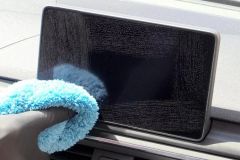 How to Clean Car Navigation Screen Without DamageLearn How to Clean Car Navigation Screen safely without harsh chemicals. Discover the best cleaning methods, tools, mistakes to avoid, and professional car care tips for keeping your touchscreen clear.
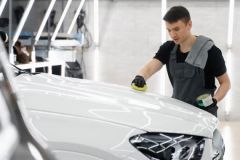 Why Wash Your Car Before Waxing or Sealing? Prep MattersLearn why you should wash your car before applying wax or sealant and how proper prep work improves shine, protection, and long-lasting results for your vehicle.
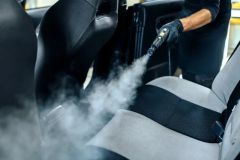 Steam Car Wash Near Me for Interior Sanitizing Without WaterDiscover how a car wash near me that uses steam cleaning can sanitize your vehicle interior without water, remove odors, and provide an eco friendly deep cleaning solution.
 Best Car Wash for Chevy Equinox Plastic Trim CareDiscover how to choose the best car wash near me for Chevy Equinox models and prevent plastic trim drying streaks with proper washing and detailing techniques.
 Car Wash Near Me With Fleet Account Management and ReportsDiscover how a car wash near me with fleet account management, online billing, and detailed reports helps businesses save time, control costs, and keep company vehicles clean.
 Best Car Wash for Convertible Tops Near Me