What this guide helps you decide
Use the article to prepare questions, compare public listing signals, and avoid choosing a provider from one headline, rating, or search result alone.
- Car Wash With Ceramic Coating: Check the Service First
- Quick answer
- What the coating changes
- Confirm current hours, services, prices, appointment rules, and availability with the provider.
- Compare more than one listing when the decision affects safety, cost, or travel time.
- Use public ratings and photos as signals, not guarantees.
Car Wash With Ceramic Coating: Check the Service First
Table of contents
Quick answer
A ceramic-coated car can usually be washed, but first follow the coating installer’s cure-time and maintenance instructions. Ask the wash operator about brushes, detergent type, spray waxes, and drying. Choose the gentlest compatible service, remove contamination promptly, and inspect water behavior afterward. If the coating was applied recently or performance has changed, contact the installer before experimenting.
What the coating changes
A professionally applied or consumer ceramic coating creates a thin protective layer over the vehicle’s finish. It can make routine dirt easier to release and may improve water beading, but it does not make paint immune to scratches, mineral deposits, harsh chemicals, or poor washing technique.
The coating’s chemistry, condition, and warranty all matter. One brand may allow a broad pH range while another specifies particular products. A newly installed coating may also require a no-water cure period. Generic internet advice cannot override the written care instructions for the exact product on the vehicle.
Checks before choosing a wash
- Confirm when the coating was applied and whether its stated cure period is complete.
- Read the installer’s wash, chemical, and maintenance-topper guidance.
- Check the vehicle for loose trim, chips, cracked glass, and aftermarket accessories.
- Ask the wash whether equipment touches the paint and how cloth or brushes are maintained.
- Ask which detergent, drying aid, wax, sealant, or tire product is included.
- Clarify whether you can decline incompatible add-ons.
If the operator cannot explain the service, choose another option or use an installer-approved hand-wash method.
Compare wash options
Touchless automatic wash
Touchless equipment avoids brush contact, which can reduce one source of marring. It may use stronger chemistry or higher pressure to compensate, however. Confirm chemical compatibility and keep realistic expectations for heavily bonded grime.
Soft-cloth automatic wash
Soft material is not automatically scratch-free. Dirt trapped in moving media can contact paint, and the exact maintenance routine varies by location. Ask how the system is cleaned and decide according to the coating maker’s advice and your tolerance for fine marks.
Hand wash
A careful hand wash offers control over tools, products, and contact, but technique still matters. Clean wash media, lubrication, separate wheel tools, and gentle drying are important. A rushed or poorly equipped hand wash is not necessarily safer than a well-run automatic service.
A practical wash plan
- Verify compatibility. Match the selected service and products to the coating instructions.
- Prepare the vehicle. Close windows, fold mirrors only as the vehicle manual permits, secure accessories, and disclose problem areas.
- Remove heavy debris safely. Do not scrub dry grit, bird droppings, or sap into the finish.
- Select only needed options. Decline waxes or sealants if the coating provider advises against them.
- Complete the wash. Follow the facility’s signals and remain in the proper gear and position.
- Dry gently. Use clean, coating-safe methods if water remains.
- Inspect in good light. Look for residue, fresh marks, trapped water, or unusual loss of beading.
Chemicals and add-ons
“Ceramic,” “graphene,” “wax,” and “sealant” on a wash menu do not prove compatibility with an existing coating. They may be short-lived rinse aids rather than the same product installed on the paint. Layering an unknown product can temporarily change gloss, slickness, or water behavior and may complicate diagnosis.
Do not assume that stronger cleaner is better. Bug remover, wheel acid, degreaser, and spot remover should be used only as directed and on suitable surfaces. Prevent wheel and tire chemicals from drying on paint.
Drying and inspection
Mineral-rich water left to evaporate can create deposits even on coated paint. If the wash does not fully dry the car, use a clean plush microfiber towel, filtered air, or another method approved by the installer. Blot or glide with little pressure; do not drag a contaminated towel across the finish.
Water beading alone does not confirm coating health. Residue can alter beading, and some healthy coatings are designed to sheet water. Compare performance with the product’s stated characteristics and the car’s established baseline.
Common mistakes
- Washing before the installer’s cure time has passed
- Assuming every “ceramic wash” matches the installed coating
- Using household detergent or an unapproved strong degreaser
- Scrubbing bonded contamination with a dry towel
- Reusing wheel towels on paint
- Applying multiple toppers to hide a performance problem
- Ignoring water spots until deposits become difficult to remove
Limits and professional help
This guide cannot identify a coating, validate a warranty, or diagnose paint damage. Contact the installer if you do not know the product, the coating is within its cure window, water behavior changes suddenly, or stains do not release with approved maintenance. Deep scratches, etching, peeling clear coat, and widespread mineral deposits need qualified inspection rather than more aggressive home cleaning.
Frequently asked questions
Will an automatic car wash remove ceramic coating?
A single outcome cannot be guaranteed. Durability depends on the coating, cure, wash equipment, chemicals, frequency, and paint condition. Follow the coating manufacturer and installer.
Should I buy the wash’s ceramic add-on?
Not automatically. Ask what it is and check whether the installed coating’s instructions permit it. The name alone does not establish compatibility.
Can I pressure-wash a coated car?
Only within the vehicle, coating, and equipment instructions. Use safe distance and angle, and never direct high pressure at loose paint, seals, sensors, or damaged trim.
Why did water stop beading after a wash?
Surface contamination or product residue may mask behavior, but damage is also possible. Use the approved maintenance wash, document the change, and ask the installer before polishing.
Sources and evidence
The controlling sources are the coating product’s technical and warranty documents, the installer’s written aftercare plan, chemical labels, and the vehicle owner’s manual. For broader wash-water context, the U.S. Environmental Protection Agency provides transportation-facility stormwater information. Local rules and facility practices vary, so verify them directly.
Next steps
Identify the installed coating, confirm its cure and maintenance requirements, then ask the wash operator about contact, chemistry, and add-ons. Choose a compatible service, dry the finish carefully, and keep a short record of any change that may need installer review.
Related Car Wash Guides
Keep reading if you are still comparing service scope, estimate questions, maintenance needs, or listing quality.
 How to Clean Car Navigation Screen Without DamageLearn How to Clean Car Navigation Screen safely without harsh chemicals. Discover the best cleaning methods, tools, mistakes to avoid, and professional car care tips for keeping your touchscreen clear.
 Why Wash Your Car Before Waxing or Sealing? Prep MattersLearn why you should wash your car before applying wax or sealant and how proper prep work improves shine, protection, and long-lasting results for your vehicle.
 Steam Car Wash Near Me for Interior Sanitizing Without WaterDiscover how a car wash near me that uses steam cleaning can sanitize your vehicle interior without water, remove odors, and provide an eco friendly deep cleaning solution.
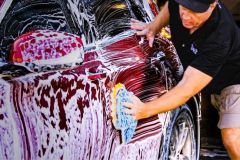 Best Car Wash for Chevy Equinox Plastic Trim CareDiscover how to choose the best car wash near me for Chevy Equinox models and prevent plastic trim drying streaks with proper washing and detailing techniques.
 Car Wash Near Me With Fleet Account Management and ReportsDiscover how a car wash near me with fleet account management, online billing, and detailed reports helps businesses save time, control costs, and keep company vehicles clean.
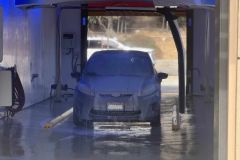 Best Car Wash for Convertible Tops Near Me