What this guide helps you decide
Use the article to prepare questions, compare public listing signals, and avoid choosing a provider from one headline, rating, or search result alone.
- Car Wash Safety Tips for Operators & Customers
- 1. Importance of Safety in Car Washing
- 2. Safety Tips for Car Wash Operators
- Confirm current hours, services, prices, appointment rules, and availability with the provider.
- Compare more than one listing when the decision affects safety, cost, or travel time.
- Use public ratings and photos as signals, not guarantees.
Car Wash Safety Tips for Operators & Customers
- 1- Importance of Safety in Car Washing
- 2- Safety Tips for Car Wash Operators
- 3- Safety Tips for Car Wash Customers
- 4- Common Safety Risks and How to Avoid Them
- 5- Using the Right Equipment for Safety
1. Importance of Safety in Car Washing
Car washing might seem like a routine task, but it’s essential to prioritize safety, both for the operators and the customers. Car wash facilities use water pressure, chemicals, and machines that could pose potential risks if not handled correctly. Ensuring safety not only prevents accidents but also promotes the overall efficiency and reliability of the service. Whether you’re a customer or a car wash operator, knowing the best practices can significantly reduce the likelihood of injuries and damage.
Safety is also a key factor in creating a positive customer experience. Operators who prioritize safety and cleanliness often gain customer trust, which can help establish long-term relationships. For customers, knowing what to expect regarding safety can ease any concerns and ensure a smooth and enjoyable experience at the car wash.
2. Safety Tips for Car Wash Operators
Car wash operators play a crucial role in maintaining a safe environment for both themselves and their customers. Here are some essential safety tips for operators working at car wash facilities:
1. Use Personal Protective Equipment (PPE)
Operators should always wear appropriate personal protective equipment (PPE) such as gloves, eye protection, and non-slip footwear. Gloves protect hands from chemicals and debris, while safety goggles shield eyes from cleaning agents and flying particles. Non-slip footwear is essential, especially around wet surfaces, to prevent slips and falls.
2. Proper Training for Machine Use
Many car washes use automated machines, high-pressure washers, and other equipment. It is crucial that all operators are properly trained in how to use these machines safely. Incorrect usage could lead to accidents or damage to vehicles. Training should cover how to operate machinery, perform maintenance, and handle potential emergencies.
3. Regular Equipment Inspections
Ensuring that all machines and equipment are regularly inspected and well-maintained is vital for preventing malfunctions that could result in injuries or property damage. This includes checking pressure washers, conveyors, and automatic systems for wear and tear. Regular cleaning and servicing of the equipment can also improve its efficiency and prolong its lifespan.
4. Chemical Safety
Many car washes use chemicals like soaps, waxes, and degreasers. Operators should handle these substances with care, following manufacturer instructions and using them only in well-ventilated areas. Proper storage of chemicals is equally important to avoid spills and accidental exposure.
3. Safety Tips for Car Wash Customers
Customers also play an essential role in maintaining a safe car wash environment. While the operators are responsible for managing the facility, customers can follow these safety tips to ensure their own well-being and prevent accidents:
1. Stay in Your Vehicle
During a car wash, especially in automatic car washes, customers should remain inside their vehicles at all times. Getting out of the vehicle during the wash can be dangerous due to the moving equipment and high-pressure water systems. Staying safely inside your car reduces the risk of accidents.
2. Follow Operator Instructions
Pay attention to the operator’s instructions, especially when driving your car into the wash tunnel or when using a self-service bay. Following instructions carefully will ensure that the car wash process is smooth and safe, preventing potential hazards for both you and the staff.
3. Avoid Blocking Equipment
When using a self-service car wash, ensure that your car is parked properly and does not block the equipment or other customers. Blocking a machine or other stations can create congestion, which could lead to accidents or delays.
4. Common Safety Risks and How to Avoid Them
Car wash facilities, like any other service, come with certain risks. Understanding these common risks and how to avoid them can help ensure a safer experience for everyone involved:
1. Slippery Surfaces
Wet floors are one of the most common hazards in car wash environments. Operators should ensure that the area around the car wash is properly drained to avoid water pooling. Customers should also take caution when walking in the car wash area, especially in areas with soap or detergent residue.
2. High-Pressure Water Hazards
High-pressure water systems can cause injury if directed at the wrong body parts. Operators should be careful when handling high-pressure hoses to avoid accidents. Customers should always stay inside their vehicles to avoid coming into contact with the high-pressure spray.
3. Equipment Malfunctions
Equipment malfunctions can lead to accidents or damage to vehicles. Regular maintenance and inspections of equipment are essential for minimizing these risks. If customers notice anything unusual with the car wash process, they should report it immediately to the operator.
5. Using the Right Equipment for Safety
Using the correct equipment is crucial for maintaining a safe car wash environment. Here are some safety considerations for selecting and using the right equipment:
1. Invest in High-Quality Equipment
Investing in high-quality, well-maintained car wash equipment can help prevent accidents and increase the safety of both operators and customers. Quality equipment is less likely to malfunction, and it will generally last longer, reducing the likelihood of costly repairs and downtime.
2. Choose Safe Chemicals
Car wash chemicals should be safe for both the environment and users. Look for eco-friendly products that don’t harm the environment while still being effective at cleaning. Additionally, ensure that all chemicals are stored and handled according to safety guidelines to avoid spills or leaks.
3. Regularly Update Safety Protocols
Car wash operators should keep safety protocols up to date with the latest industry standards and regulations. Regularly training staff on new safety measures and conducting safety drills can help minimize accidents and ensure a safe working environment for everyone.
Related Car Wash Guides
Keep reading if you are still comparing service scope, estimate questions, maintenance needs, or listing quality.
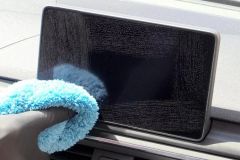 How to Clean Car Navigation Screen Without DamageLearn How to Clean Car Navigation Screen safely without harsh chemicals. Discover the best cleaning methods, tools, mistakes to avoid, and professional car care tips for keeping your touchscreen clear.
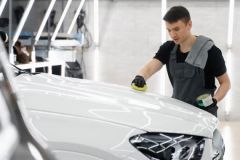 Why Wash Your Car Before Waxing or Sealing? Prep MattersLearn why you should wash your car before applying wax or sealant and how proper prep work improves shine, protection, and long-lasting results for your vehicle.
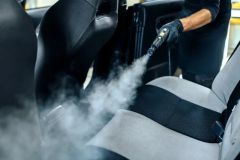 Steam Car Wash Near Me for Interior Sanitizing Without WaterDiscover how a car wash near me that uses steam cleaning can sanitize your vehicle interior without water, remove odors, and provide an eco friendly deep cleaning solution.
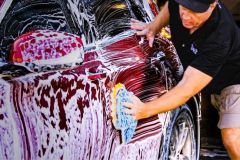 Best Car Wash for Chevy Equinox Plastic Trim CareDiscover how to choose the best car wash near me for Chevy Equinox models and prevent plastic trim drying streaks with proper washing and detailing techniques.
 Car Wash Near Me With Fleet Account Management and ReportsDiscover how a car wash near me with fleet account management, online billing, and detailed reports helps businesses save time, control costs, and keep company vehicles clean.
 Best Car Wash for Convertible Tops Near Me