
What this guide helps you decide
Use the article to prepare questions, compare public listing signals, and avoid choosing a provider from one headline, rating, or search result alone.
- Why Vehicle Maintenance Includes Washing
- Confirm current hours, services, prices, appointment rules, and availability with the provider.
- Compare more than one listing when the decision affects safety, cost, or travel time.
- Use public ratings and photos as signals, not guarantees.
- Why Vehicle Maintenance Includes Washing
- Factors That Affect How Often to Wash Your Car
- How Often Should You Wash Your Vehicle?
- Common Car Washing Mistakes to Avoid
- Find the Best Car Washing Service at Gibby Car Wash
Why Vehicle Maintenance Includes Washing
When it comes to vehicle maintenance, washing your car is often overlooked. However, regular car washes are essential for preserving your vehicle's paint, preventing rust, and maintaining its overall appearance. In addition to keeping your car looking great, washing your car helps protect it from harmful elements such as road salts, dirt, and pollutants that can degrade the vehicle's finish over time.
In the U.S., regular car washing is an essential part of routine vehicle care, especially in regions with harsh weather conditions. For instance, in snowy areas, road salts used for de-icing can accumulate on your vehicle, leading to corrosion. In coastal regions, saltwater from the ocean can damage your car’s exterior if not cleaned off promptly. Washing your car regularly not only ensures a clean and shiny finish but also helps protect it from environmental damage.
1. Factors That Affect How Often to Wash Your Car
Several factors influence how often you should wash your car. These factors include your location, climate, driving conditions, and personal preferences. Here’s a breakdown of the key elements to consider:
- Weather and Climate: If you live in an area with frequent rainfall, snow, or salty air (like coastal regions), washing your car more frequently is recommended. Salt from the roads or ocean can cause paint damage and accelerate rust formation.
- Driving Conditions: If you frequently drive on dusty roads, off-road, or through muddy areas, your vehicle will accumulate more dirt, requiring more frequent washes. City driving can also contribute to grime buildup from exhaust fumes and pollutants.
- Seasonal Considerations: In winter, it’s essential to wash your vehicle regularly to remove road salts. During the summer, bird droppings, tree sap, and insect residue can damage your vehicle’s paint if left too long without cleaning.
- Personal Preference: If you prefer to maintain your car's shine and cleanliness at all times, you may choose to wash your vehicle more frequently, regardless of environmental conditions.
2. How Often Should You Wash Your Vehicle?
As a general rule, most experts recommend washing your car every two weeks. However, the frequency can vary based on the factors mentioned above. Here’s a more detailed breakdown based on different situations:
- Every 1-2 Weeks: For those living in areas with harsh weather conditions (such as snow, rain, or high humidity) or near the coast, washing your vehicle every one to two weeks is ideal. This frequency helps remove salt, dirt, and pollutants before they have a chance to damage your vehicle’s exterior.
- Once a Month: If you live in a dry climate and mostly drive on clean roads, washing your car once a month may suffice. However, be sure to clean your wheels and undercarriage regularly to avoid buildup.
- More Frequent Washing: If your vehicle is exposed to excessive dirt, bird droppings, tree sap, or other contaminants, more frequent washing (every week or less) may be necessary to preserve the vehicle’s paint and finish.
In addition to washing, don’t forget to clean your vehicle’s interior. Regularly vacuuming the seats, floor mats, and dashboard will keep your car looking fresh and comfortable to drive.
3. Common Car Washing Mistakes to Avoid
While washing your vehicle can help maintain its appearance and protect its finish, it's essential to do it correctly. Here are some common mistakes to avoid:
- Using Dish Soap: While it may seem like a good idea, dish soap can strip your car’s protective wax coating. Always use a soap formulated specifically for cars to avoid damaging the paint.
- Washing Under Direct Sunlight: Washing your car in direct sunlight can cause water and soap to dry too quickly, leading to spots and streaks. It’s best to wash your vehicle in the shade or during cooler parts of the day.
- Not Using a Proper Washing Technique: Always wash your car from top to bottom using a microfiber cloth or a soft sponge. Avoid using a rough towel or scrubber, as this can scratch the paint and damage the clear coat.
- Skipping the Drying Process: After washing, dry your car thoroughly to prevent water spots. Use a clean microfiber towel or a drying towel to gently wipe down the surface.
4. How to Improve Roof Ventilation
Proper ventilation is not just important for your vehicle but also for other parts of your home, such as your roof. If you're dealing with roof ventilation issues, here are some tips to improve airflow and prevent damage from humidity and heat buildup:
- Install Ridge Vents: Ridge vents allow hot air to escape from your attic, preventing moisture buildup and reducing the risk of roof damage.
- Use Soffit Vents: Soffit vents allow fresh air to enter the attic, promoting proper air circulation. Combined with ridge vents, soffit vents create an effective attic ventilation system.
- Regular Maintenance: Periodically check your attic vents to ensure they are clear of debris and functioning correctly. Keeping the vents clean will improve airflow and prevent moisture buildup.
5. Find the Best Car Washing Service at Gibby Car Wash
If you're looking for professional car washing services, look no further than Gibby Car Wash. We offer a variety of car washing options, from basic washes to premium detailing services, designed to meet your car care needs. Our team uses high-quality products and the latest equipment to ensure that your car gets the best treatment possible.
Visit Gibby Car Wash today to discover the perfect car washing service for your vehicle. Our experts are ready to help keep your car looking its best!
Related Car Wash Guides
Keep reading if you are still comparing service scope, estimate questions, maintenance needs, or listing quality.
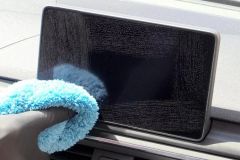 How to Clean Car Navigation Screen Without DamageLearn How to Clean Car Navigation Screen safely without harsh chemicals. Discover the best cleaning methods, tools, mistakes to avoid, and professional car care tips for keeping your touchscreen clear.
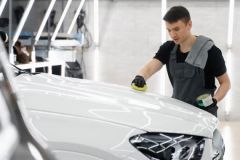 Why Wash Your Car Before Waxing or Sealing? Prep MattersLearn why you should wash your car before applying wax or sealant and how proper prep work improves shine, protection, and long-lasting results for your vehicle.
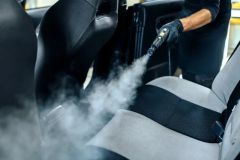 Steam Car Wash Near Me for Interior Sanitizing Without WaterDiscover how a car wash near me that uses steam cleaning can sanitize your vehicle interior without water, remove odors, and provide an eco friendly deep cleaning solution.
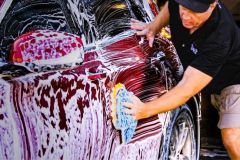 Best Car Wash for Chevy Equinox Plastic Trim CareDiscover how to choose the best car wash near me for Chevy Equinox models and prevent plastic trim drying streaks with proper washing and detailing techniques.
 Car Wash Near Me With Fleet Account Management and ReportsDiscover how a car wash near me with fleet account management, online billing, and detailed reports helps businesses save time, control costs, and keep company vehicles clean.
 Best Car Wash for Convertible Tops Near Me