What this guide helps you decide
Use the article to prepare questions, compare public listing signals, and avoid choosing a provider from one headline, rating, or search result alone.
- 1. How to Avoid Swirl Marks When Washing Your Vehicle
- 2. Why Swirl Marks Appear on Your Vehicle
- 3. Preparing for the Wash: The Right Tools and Products
- Confirm current hours, services, prices, appointment rules, and availability with the provider.
- Compare more than one listing when the decision affects safety, cost, or travel time.
- Use public ratings and photos as signals, not guarantees.
- How to Avoid Swirl Marks When Washing Your Vehicle
- 1. Why Swirl Marks Appear on Your Vehicle
- 2. Preparing for the Wash: The Right Tools and Products
- 3. Washing Techniques to Prevent Swirl Marks
- 4. Drying Your Vehicle Without Leaving Swirl Marks
- 5. Why Choose Gibby Car Wash for Professional Results
1. How to Avoid Swirl Marks When Washing Your Vehicle
Washing your vehicle can make it look brand new, but if you're not careful, you might end up with unsightly swirl marks on your paint. Swirl marks are fine, circular scratches that often appear when dirt, dust, or debris is trapped in your washing materials. While these marks can seem minor, they can detract from your vehicle's appearance and even cause long-term damage to the paint.
In this article, we'll guide you on how to avoid swirl marks when washing your vehicle, from understanding why they appear to learning the proper washing and drying techniques. With the right tools and methods, you can keep your car looking flawless and preserve its finish for years to come.
2. Why Swirl Marks Appear on Your Vehicle
Swirl marks are caused by improper washing techniques, and understanding why they appear is the first step in preventing them. These marks occur when abrasive particles, like dust or dirt, are left on the surface of the car while washing. When the cleaning cloth or sponge rubs against these particles, it can cause fine scratches on the clear coat, which results in swirl marks.
Some common causes of swirl marks include:
- Dirty Sponges or Towels: Using a sponge or towel that is not properly rinsed can leave dirt particles behind, causing scratches on the surface.
- Improper Washing Techniques: Scrubbing too hard or using a circular motion when washing can create friction and leave marks on the paint.
- Cheap or Harsh Washing Products: Using low-quality soap or abrasive cleaning agents can damage the car's clear coat, leading to swirl marks.
- Drying with a Rough Towel: After washing, using an old or rough towel to dry your vehicle can cause fine scratches, contributing to swirl marks.
3. Preparing for the Wash: The Right Tools and Products
The first step in preventing swirl marks is using the right tools and products for the job. Here’s a list of what you should gather before washing your vehicle:
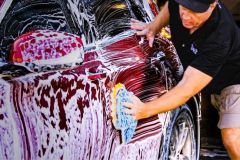
- Two-Bucket Method: Use two separate buckets—one for soapy water and one for rinsing your wash mitt or sponge. This will prevent dirt from going back onto the car’s surface.
- Microfiber Towels or Mitts: Microfiber is soft and non-abrasive, making it ideal for washing and drying your vehicle without causing scratches. Ensure the microfiber towels are clean and free from debris.
- Car Wash Soap: Avoid dish soap or harsh cleaning agents. Use a car-specific wash soap that is gentle on the paint and won’t strip the protective wax layer.
- Pressure Washer or Gentle Hose: A pressure washer with adjustable settings can help remove dirt more effectively, but it should be used carefully to avoid damage to the paint. Alternatively, a gentle hose with a spray nozzle will suffice.
4. Washing Techniques to Prevent Swirl Marks
Proper washing techniques are essential in preventing swirl marks. Follow these steps to ensure your car gets a clean, swirl-free finish:
- Rinse the Car First: Always start by thoroughly rinsing the vehicle to remove loose dirt and debris. This helps minimize the chances of scratching the paint during the washing process.
- Use the Two-Bucket Method: As mentioned earlier, use two buckets: one with soapy water and one for rinsing your wash mitt. This ensures you don’t reapply dirt to the car’s surface.
- Work from Top to Bottom: Always wash the car from top to bottom, starting with the roof and working your way down. This prevents dirt from dripping onto clean areas and reduces the risk of scratches.
- Use a Gentle, Back-and-Forth Motion: Avoid circular motions, which can create swirls. Instead, use a gentle back-and-forth motion with your wash mitt, letting the mitt do the work without applying excessive pressure.
5. Drying Your Vehicle Without Leaving Swirl Marks
Drying your vehicle correctly is just as important as washing it to avoid swirl marks. Here's how to dry your car safely:
- Use Soft, Clean Microfiber Towels: After washing, use a clean microfiber towel to dry the car. Microfiber towels are designed to absorb moisture without dragging dirt along the surface.
- Pat, Don’t Rub: Instead of rubbing the towel on the car's surface, gently pat the vehicle dry. Rubbing can cause friction, leading to swirl marks.
- Dry in Sections: Dry the car in sections to prevent water spots and ensure every part of the car is properly dried.
- Use a Drying Aid or Spray Wax: Some car care products are designed to help with drying by providing a layer of protection while you dry. These products help reduce the risk of water spots and add a protective layer that helps prevent future swirl marks.
6. Why Choose Gibby Car Wash for Professional Results
While washing your car at home is a great way to save money, it’s important to know that professional car washes often deliver the best results in terms of protecting your vehicle’s paint. At Gibby Car Wash, we use high-quality products and advanced techniques to ensure your vehicle is washed without the risk of swirl marks.
Our experienced team is trained in the art of vehicle detailing and will take care of your car like it’s our own. Visit Gibby Car Wash today for a professional car wash and experience a flawless, swirl-free finish!
Related Car Wash Guides
Keep reading if you are still comparing service scope, estimate questions, maintenance needs, or listing quality.
 How to Clean Car Navigation Screen Without DamageLearn How to Clean Car Navigation Screen safely without harsh chemicals. Discover the best cleaning methods, tools, mistakes to avoid, and professional car care tips for keeping your touchscreen clear.
 Why Wash Your Car Before Waxing or Sealing? Prep MattersLearn why you should wash your car before applying wax or sealant and how proper prep work improves shine, protection, and long-lasting results for your vehicle.
 Steam Car Wash Near Me for Interior Sanitizing Without WaterDiscover how a car wash near me that uses steam cleaning can sanitize your vehicle interior without water, remove odors, and provide an eco friendly deep cleaning solution.
 Best Car Wash for Chevy Equinox Plastic Trim CareDiscover how to choose the best car wash near me for Chevy Equinox models and prevent plastic trim drying streaks with proper washing and detailing techniques.
 Car Wash Near Me With Fleet Account Management and ReportsDiscover how a car wash near me with fleet account management, online billing, and detailed reports helps businesses save time, control costs, and keep company vehicles clean.
 Best Car Wash for Convertible Tops Near Me