What this guide helps you decide
Use the article to prepare questions, compare public listing signals, and avoid choosing a provider from one headline, rating, or search result alone.
- Guide to Properly Drying Your Car After a Wash
- 1. Why Proper Drying is Important
- 2. Essential Tools for Drying Your Car
- Confirm current hours, services, prices, appointment rules, and availability with the provider.
- Compare more than one listing when the decision affects safety, cost, or travel time.
- Use public ratings and photos as signals, not guarantees.
Guide to Properly Drying Your Car After a Wash
- 1. Why Proper Drying is Important
- 2. Essential Tools for Drying Your Car
- 3. Best Methods for Drying Your Car
- 4. Tips for Maintaining Your Car's Finish
- 5. Common Drying Mistakes to Avoid
1. Why Proper Drying is Important
Drying your car after a wash is a crucial step in maintaining its appearance and protecting its paint. Without proper drying, water spots and streaks can form, leaving unsightly marks that are difficult to remove. Additionally, improper drying can contribute to corrosion and damage to your car’s finish over time. In this guide, we’ll walk you through the best techniques and tools to dry your car effectively, ensuring its longevity and pristine appearance.
2. Essential Tools for Drying Your Car
To achieve the best drying results, it’s important to use the right tools. Here are some of the essentials:
- Microfiber Towels: Microfiber towels are highly absorbent and gentle on your car’s surface, making them the top choice for drying.
- Chamois Leather: Chamois leather is known for its softness and ability to absorb large amounts of water, but it can require more maintenance than microfiber towels.
- Drying Blower: A car drying blower can help remove water from hard-to-reach areas, such as side mirrors and vents, without causing any scratches.
- Absorber Cloth: These synthetic materials are known for their excellent water-absorbing capacity, making them perfect for large surface areas.
3. Best Methods for Drying Your Car
There are different methods for drying your car, each with its advantages. Here are the most popular and effective techniques:
Pat Drying Method
The pat drying method involves gently patting the surface of your car with a microfiber towel or chamois leather. This helps absorb water without dragging dirt and debris across the surface, which can scratch the paint.
Squeegee Drying
Using a rubber squeegee is an excellent way to remove excess water quickly. After using the squeegee, follow up with a microfiber towel to wipe away any remaining moisture.
Air Drying
If you have access to a car drying blower, air drying is a fantastic option. These blowers use powerful air to push water off the car without touching the surface, reducing the risk of scratches or swirl marks.
4. Tips for Maintaining Your Car's Finish
Maintaining your car’s finish goes beyond drying. Here are a few tips to help you keep your car looking brand new:
- Wax Your Car Regularly: Waxing your car creates a protective layer that helps prevent water spots and dirt buildup.
- Dry in the Shade: Drying your car in direct sunlight can cause water to evaporate too quickly, leaving behind streaks and water spots.
- Use the Right Products: Always use car-specific drying towels and cleaning solutions to avoid damaging the finish.
5. Common Drying Mistakes to Avoid
Even experienced car owners can make mistakes when drying their car. Here are a few common errors to avoid:
- Using Dirty Towels: Always ensure your towels are clean before using them on your car’s surface. Dirty towels can introduce grit and debris that can scratch the paint.
- Dragging Towels Across the Surface: Avoid dragging drying towels across the paint. Instead, gently blot or pat the surface to prevent scratching.
- Using Paper Towels: Paper towels may seem convenient, but they can leave behind lint and scratches, so it's best to avoid them when drying your car.
Related Car Wash Guides
Keep reading if you are still comparing service scope, estimate questions, maintenance needs, or listing quality.
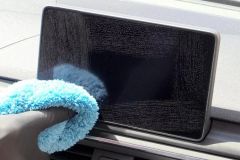 How to Clean Car Navigation Screen Without DamageLearn How to Clean Car Navigation Screen safely without harsh chemicals. Discover the best cleaning methods, tools, mistakes to avoid, and professional car care tips for keeping your touchscreen clear.
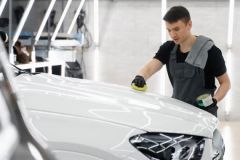 Why Wash Your Car Before Waxing or Sealing? Prep MattersLearn why you should wash your car before applying wax or sealant and how proper prep work improves shine, protection, and long-lasting results for your vehicle.
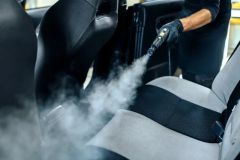 Steam Car Wash Near Me for Interior Sanitizing Without WaterDiscover how a car wash near me that uses steam cleaning can sanitize your vehicle interior without water, remove odors, and provide an eco friendly deep cleaning solution.
 Best Car Wash for Chevy Equinox Plastic Trim CareDiscover how to choose the best car wash near me for Chevy Equinox models and prevent plastic trim drying streaks with proper washing and detailing techniques.
 Car Wash Near Me With Fleet Account Management and ReportsDiscover how a car wash near me with fleet account management, online billing, and detailed reports helps businesses save time, control costs, and keep company vehicles clean.
 Best Car Wash for Convertible Tops Near Me