What this guide helps you decide
Use the article to prepare questions, compare public listing signals, and avoid choosing a provider from one headline, rating, or search result alone.
- 1. Why Dust Accumulates on Cars
- 2. Importance of Washing Cars After Driving in Dusty Areas
- 3. Steps to Wash Your Car Effectively After Dust Exposure
- Confirm current hours, services, prices, appointment rules, and availability with the provider.
- Compare more than one listing when the decision affects safety, cost, or travel time.
- Use public ratings and photos as signals, not guarantees.
- 1. Why Dust Accumulates on Cars
- 2. Importance of Washing Cars After Driving in Dusty Areas
- 3. Steps to Wash Your Car Effectively After Dust Exposure
- 4. Tools and Products for Effective Dust Removal
- 5. My Personal Experience with Dusty Roads
- 6. Gibby Car Wash Recommendations
1. Why Dust Accumulates on Cars
When you drive through dusty or dry areas, whether it's on dirt roads or through desert landscapes, your car's exterior is exposed to fine particles of dirt and dust. These tiny particles can easily cling to the surface of your car, leading to a buildup of dust over time.
The accumulation of dust on your car is not just about looks – these particles can get into your car’s paint and cause damage if not removed properly. Dust can also trap moisture, which may lead to rusting if left untreated for too long. Understanding why this happens can help you take the necessary steps to prevent damage and maintain your vehicle’s appearance.
2. Importance of Washing Cars After Driving in Dusty Areas
Washing your car after driving in dusty areas is essential for maintaining both the exterior and interior of your vehicle. The longer dust stays on your car, the more it can damage the paint, leaving behind scratches, stains, or oxidation. Dust can also clog up your car’s air intake or filter, affecting engine performance.
Aside from the potential damage to your car’s exterior, the buildup of dust on your car can lead to reduced visibility for headlights and windows, compromising your safety while driving. Regular washing removes the dust and helps maintain the functionality of your vehicle, ensuring that it stays in top condition.
3. Steps to Wash Your Car Effectively After Dust Exposure
Washing your car after driving in dusty areas requires a little more care than a regular car wash. Here’s a step-by-step guide to ensure you remove all the dust without damaging your car’s finish:
- Rinse Off the Loose Dust: Start by rinsing the entire car with water to remove any loose dust or dirt. Use a hose with a gentle spray to avoid scratching the paint. Be sure to wash the wheels and undercarriage as well, as they often collect the most dirt.
- Use a Two-Bucket Method: Fill two buckets – one with soapy water and another with clean water for rinsing. This method reduces the chances of dirt from the wash mitt scratching your car.
- Wash from Top to Bottom: Wash the car starting from the roof and work your way down to prevent dirt from falling onto areas you’ve already cleaned. Use a microfiber cloth or sponge to gently scrub the car’s surface, paying extra attention to areas with more dust buildup.
- Use a High-Pressure Washer: If available, use a high-pressure washer to clean off stubborn dirt and dust from difficult-to-reach areas. This can be especially helpful for the wheels and wheel wells, which tend to accumulate a lot of dirt.
- Dry and Wax: After washing, dry your car with a clean microfiber towel to prevent water spots. Applying a coat of wax afterward can help protect the paint from future dust buildup and make it easier to clean next time.
Following these steps will ensure that your car stays clean and protected, even after driving through dusty roads.
4. Tools and Products for Effective Dust Removal
To ensure you’re removing dust effectively and safely, using the right tools and products is essential. Here are some items you should consider using:
- Microfiber Cloths and Towels: These are ideal for dust removal as they trap particles without scratching the surface.
- High-Pressure Washer: A high-pressure washer can remove dust from hard-to-reach areas without causing damage to the paint.
- Car Shampoo: Choose a pH-balanced car shampoo that’s gentle on the paint while still effective at removing dust and grime.
- Detailing Brushes: Use soft detailing brushes to clean vents, wheel wells, and other intricate areas where dust can accumulate.
- Car Wax: After washing, applying a protective layer of car wax can help seal the paint and prevent dust from sticking in the future.
Investing in high-quality products will not only make the cleaning process easier but also protect your car from damage and keep it looking new for longer.
5. My Personal Experience with Dusty Roads
Living in a rural area, I often drive on dusty roads, and I know all too well how the dust can accumulate on my car. In the past, I used to wash my car with just a hose and a towel, but this didn’t seem to get rid of the dust completely. It wasn’t until I invested in a high-pressure washer and started using the two-bucket method that I really noticed a difference.
The high-pressure washer helped me remove the deep-set dust, while the microfiber cloths and detailing brushes allowed me to clean the intricate parts of my car, like the grill and wheels. By regularly waxing my car afterward, I noticed that future dust was easier to clean off, and my car maintained its shine for longer.
6. Gibby Car Wash Recommendations
At Gibby Car Wash, we understand how important it is to keep your car clean after driving through dusty areas. Our car wash services are designed to help you get rid of dust and dirt without compromising your car’s finish. Whether you're looking for a quick wash or a detailed clean, we offer products and services to suit every need.
For the best results, we recommend using our premium car wash options, which include high-pressure cleaning and eco-friendly soaps that are gentle on your car’s paint. Visit Gibby Car Wash for a thorough cleaning and expert advice on how to keep your vehicle in top condition.
Related Car Wash Guides
Keep reading if you are still comparing service scope, estimate questions, maintenance needs, or listing quality.
 How to Clean Car Navigation Screen Without DamageLearn How to Clean Car Navigation Screen safely without harsh chemicals. Discover the best cleaning methods, tools, mistakes to avoid, and professional car care tips for keeping your touchscreen clear.
 Why Wash Your Car Before Waxing or Sealing? Prep MattersLearn why you should wash your car before applying wax or sealant and how proper prep work improves shine, protection, and long-lasting results for your vehicle.
 Steam Car Wash Near Me for Interior Sanitizing Without WaterDiscover how a car wash near me that uses steam cleaning can sanitize your vehicle interior without water, remove odors, and provide an eco friendly deep cleaning solution.
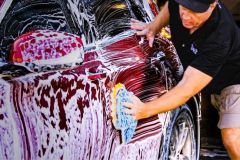 Best Car Wash for Chevy Equinox Plastic Trim CareDiscover how to choose the best car wash near me for Chevy Equinox models and prevent plastic trim drying streaks with proper washing and detailing techniques.
 Car Wash Near Me With Fleet Account Management and ReportsDiscover how a car wash near me with fleet account management, online billing, and detailed reports helps businesses save time, control costs, and keep company vehicles clean.
 Best Car Wash for Convertible Tops Near Me