
What this guide helps you decide
Use the article to prepare questions, compare public listing signals, and avoid choosing a provider from one headline, rating, or search result alone.
- Why Thunderstorm Driving Can Leave Your Car Extremely Dirty
- Common Debris Left on Vehicles After Thunderstorms
- Preparing Your Car Before Washing
- Confirm current hours, services, prices, appointment rules, and availability with the provider.
- Compare more than one listing when the decision affects safety, cost, or travel time.
- Use public ratings and photos as signals, not guarantees.
- why-thunderstorm-driving-affects-your-car
- types-of-storm-debris-on-vehicles
- preparing-your-car-for-cleaning
- step-by-step-car-washing-process
- protecting-your-car-paint-after-storms
- real-driver-experience-after-storm
- mistakes-to-avoid-when-cleaning
- keeping-your-car-ready-for-next-storm
Why Thunderstorm Driving Can Leave Your Car Extremely Dirty
Driving during a thunderstorm often exposes vehicles to more than just rain. Strong winds, mud splashes, debris, and polluted runoff from roads can all accumulate on a vehicle’s exterior. Many drivers assume rainwater cleans their car, but thunderstorms usually do the opposite. They often leave behind grime that can damage paint and surfaces if not removed quickly.
Understanding how to wash cars after driving in thunderstorms helps protect your vehicle’s paint, maintain visibility through clean windows, and prevent long-term corrosion caused by dirt or chemical residues.
1. Rainwater Alone Does Not Clean a Car
Stormwater typically mixes with road oils, dust, and small particles. As the rain dries, these contaminants can form streaks or residue across the vehicle.
What Happens After a Storm
1. Mud splashes collect around wheel wells.
2. Road salt or chemicals may remain on the body.
3. Dust and debris stick to wet surfaces.
These factors make proper washing essential once the storm passes.
Common Debris Left on Vehicles After Thunderstorms
Thunderstorms often carry a variety of materials that settle on vehicles. Recognizing these contaminants helps determine the best cleaning method.
1. Mud and Road Dirt
Rainwater flowing across roads can carry mud that splashes onto lower parts of vehicles.
2. Tree Sap and Leaves
Strong winds during storms frequently knock small leaves, twigs, and tree sap onto parked cars.
3. Pollen and Dust
Storm winds can also spread pollen or dust particles that stick to wet paint surfaces.
Why These Contaminants Matter
If left untreated, certain substances such as sap or bird droppings can permanently stain paint finishes.
Preparing Your Car Before Washing
Before beginning the washing process, a quick inspection ensures you clean the vehicle safely and efficiently.
1. Check for Loose Debris
Remove leaves, twigs, or larger particles from the windshield and roof.
2. Allow the Vehicle to Cool
If the car has been driven recently, allow the engine and surfaces to cool down. Washing a hot surface can cause water spots or cleaning streaks.
3. Gather Proper Cleaning Supplies
Using appropriate car wash tools helps prevent scratches during cleaning.
Recommended Supplies
1. Soft microfiber cloths.
2. Car-safe cleaning soap.
3. A hose with moderate pressure.
4. Two buckets for washing and rinsing.
Many drivers who prefer professional cleaning services often visit facilities such as Gibby Car Wash when their vehicles require deeper cleaning after severe storms.
Step-by-Step Guide to Washing a Car After a Thunderstorm
Following a careful washing process ensures storm residue is removed without damaging the vehicle’s paint.
1. Start with a Gentle Rinse
Use a hose to rinse the entire vehicle. This removes loose dirt and prevents scratching during the washing stage.
Focus Areas
1. Wheel wells.
2. Lower door panels.
3. Front bumper and grille.
2. Wash the Car with Soap
Using a soft sponge or microfiber mitt, apply car wash soap and gently clean the surface from top to bottom.
3. Clean Wheels and Tires
Stormwater often deposits mud and brake dust around wheels, which require additional attention.
4. Rinse Thoroughly
Ensure all soap and dirt are completely removed to prevent residue buildup.
5. Dry the Vehicle
Use a clean microfiber towel to dry the vehicle. This step helps prevent water spots from forming on the paint.
Protecting Your Vehicle’s Paint After Storm Exposure
Storms can expose vehicles to pollutants and small abrasive particles that may slowly affect the paint surface.
1. Apply Protective Wax
Waxing creates a protective barrier that helps repel dirt and water during future storms.
2. Inspect for Minor Damage
After cleaning, inspect the car for small scratches or chips that may have occurred during storm conditions.
3. Clean Windows and Mirrors Carefully
Clear visibility is essential for safe driving, especially after stormy weather.
A Real Driver Experience After a Thunderstorm
A commuter in Texas once described driving through a sudden evening thunderstorm on the highway. The heavy rain created large puddles, and trucks passing nearby splashed mud across the entire vehicle.
1. The Next Morning Discovery
By morning, the car’s once shiny paint was covered with dried mud streaks and dust residue.
2. Cleaning the Vehicle Properly
The driver performed a full rinse, followed by a careful wash using car-safe soap and microfiber cloths.
The Outcome
Within a short time, the vehicle looked clean again, and the owner realized how important post-storm washing can be for maintaining the car’s appearance.
Common Mistakes When Cleaning Cars After Storms
Certain habits can unintentionally damage your vehicle during cleaning.
1. Skipping the Initial Rinse
Washing without rinsing first may drag dirt across the paint and cause scratches.
2. Using Household Detergents
Regular dish soaps can strip protective wax coatings from the vehicle’s paint.
3. Washing Under Direct Sunlight
Sunlight can dry soap too quickly, leaving streaks or spots on the surface.
Keeping Your Car Ready for Future Storms
Regular maintenance helps vehicles withstand storm conditions better.
1. Maintain a Protective Wax Layer
Wax creates a smoother surface that allows water and dirt to slide off more easily.
2. Park in Sheltered Areas When Possible
Garages or covered parking help protect vehicles from debris and heavy rain.
3. Wash the Car Regularly
Frequent cleaning prevents buildup of contaminants that storms can intensify.
Drivers who regularly encounter severe weather sometimes rely on professional cleaning locations like Gibby Car Wash to maintain their vehicles quickly and effectively.
Knowing how to wash cars after driving in thunderstorms allows vehicle owners to preserve paint quality, maintain clear visibility, and keep their cars looking their best despite challenging weather conditions.
Related Car Wash Guides
Keep reading if you are still comparing service scope, estimate questions, maintenance needs, or listing quality.
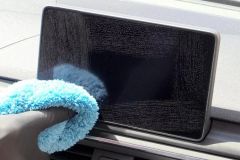 How to Clean Car Navigation Screen Without DamageLearn How to Clean Car Navigation Screen safely without harsh chemicals. Discover the best cleaning methods, tools, mistakes to avoid, and professional car care tips for keeping your touchscreen clear.
 Why Wash Your Car Before Waxing or Sealing? Prep MattersLearn why you should wash your car before applying wax or sealant and how proper prep work improves shine, protection, and long-lasting results for your vehicle.
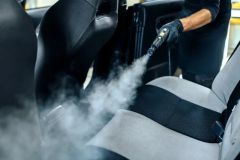 Steam Car Wash Near Me for Interior Sanitizing Without WaterDiscover how a car wash near me that uses steam cleaning can sanitize your vehicle interior without water, remove odors, and provide an eco friendly deep cleaning solution.
 Best Car Wash for Chevy Equinox Plastic Trim CareDiscover how to choose the best car wash near me for Chevy Equinox models and prevent plastic trim drying streaks with proper washing and detailing techniques.
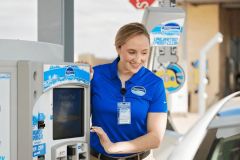 Car Wash Near Me With Fleet Account Management and ReportsDiscover how a car wash near me with fleet account management, online billing, and detailed reports helps businesses save time, control costs, and keep company vehicles clean.
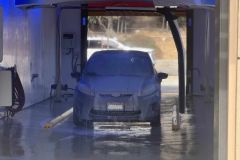 Best Car Wash for Convertible Tops Near Me