
What this guide helps you decide
Use the article to prepare questions, compare public listing signals, and avoid choosing a provider from one headline, rating, or search result alone.
- How to Wash Cars After Exposure to Heavy Dust Storms
- 1. Why Washing Your Car After a Dust Storm is Essential
- 2. Step-by-Step Guide for Cleaning a Car After Dust Storm Exposure
- Confirm current hours, services, prices, appointment rules, and availability with the provider.
- Compare more than one listing when the decision affects safety, cost, or travel time.
- Use public ratings and photos as signals, not guarantees.
How to Wash Cars After Exposure to Heavy Dust Storms
- Why Washing Your Car After a Dust Storm is Essential
- Step-by-Step Guide for Cleaning a Car After Dust Storm Exposure
- Tools and Products Needed for a Dust Storm Car Wash
- Preventing Future Damage from Dust Storms
- Extra Tips for Maintaining Your Car After a Dust Storm
1. Why Washing Your Car After a Dust Storm is Essential
Heavy dust storms can leave a layer of fine dirt and debris on your car, which not only makes it look dirty but can also cause significant damage if left untreated. Dust particles, especially those combined with moisture or rain, can scratch the surface of your car, leading to long-term paint damage and reduced resale value.
Additionally, dust particles can clog important components like air intakes, windshields, and wiper systems. A thorough car wash after a dust storm is essential to remove these particles and protect the car’s finish, as well as its mechanical systems.
2. Step-by-Step Guide for Cleaning a Car After Dust Storm Exposure
Follow these steps to properly clean your car after exposure to a dust storm:
1. Rinse Off Loose Dust
Start by rinsing your car with water to remove as much loose dust and debris as possible. This will help prevent scratching the paint during the actual wash. Use a hose with a gentle spray or a pressure washer, keeping the nozzle several inches away from the surface to avoid damaging delicate parts of the car.
2. Wash the Car Using a Two-Bucket Method
Use the two-bucket method when washing your car. One bucket should contain soapy water, and the other should contain clean water to rinse your wash mitt. This method helps prevent dirt from being reintroduced to your car’s surface. Make sure to use a car-specific soap that is gentle and effective in breaking down the dust particles.
3. Clean the Wheels and Tires
The wheels and tires are often the most affected by dust storms, as they tend to accumulate the heaviest layer of debris. Use a separate brush or sponge for cleaning these areas. Apply a dedicated wheel cleaner to break down the dirt and grime, then rinse thoroughly.
4. Dry the Car to Prevent Water Spots
After washing, it’s essential to dry your car immediately using a microfiber towel or a drying chamois. This prevents water spots from forming, which can occur when water evaporates, leaving behind mineral deposits on the paint.
5. Apply a Wax or Sealant
After the car is dry, apply a layer of wax or paint sealant to protect the surface. This adds a layer of protection against future dust storms and environmental contaminants. Wax helps to create a hydrophobic surface, making it easier to clean off dust in the future.
3. Tools and Products Needed for a Dust Storm Car Wash
To clean your car properly after a dust storm, make sure you have the right tools and products on hand:
1. Microfiber Wash Mitt
Using a microfiber wash mitt is essential to avoid scratching the paint while cleaning. Microfiber fibers help trap dirt particles and prevent them from scratching the surface of your car.
2. Car-Specific Soap
Always use a soap formulated for cars. Household dish soaps or harsh cleaners can strip the protective wax layer from your car and damage the paint over time.
3. Wheel Cleaner
Use a special wheel cleaner to help break down the stubborn dirt and grime on your tires. It’s essential to keep your wheels clean, as dust storms can lead to a buildup that’s harder to remove with each storm.
4. Microfiber Towels or Drying Chamois
Microfiber towels or drying chamois are ideal for drying your car without leaving streaks or scratches. They absorb water effectively and leave a lint-free finish on the surface.
5. Car Wax or Paint Sealant
A high-quality car wax or paint sealant is important to protect your vehicle’s paintwork. It creates a protective layer that repels dust and dirt, making it easier to clean your car after future dust storms.
4. Preventing Future Damage from Dust Storms
Here are some tips to help minimize the impact of dust storms on your car in the future:
1. Park Your Car in a Covered Area
Whenever possible, park your car in a garage or under a cover to protect it from dust and other environmental factors. If you don’t have a garage, a high-quality car cover can help shield your vehicle from the worst of the dust storms.
2. Use Paint Protection Film
Consider applying a paint protection film (PPF) to vulnerable areas of your car. This clear, durable film can prevent dust, dirt, and debris from damaging the paintwork, especially in areas like the front bumper and side mirrors.
3. Regularly Apply Wax or Sealant
Waxing or using a paint sealant regularly helps create a protective barrier against dust, which makes it easier to clean off after a storm. It also helps to maintain the overall appearance of your car’s finish.
5. Extra Tips for Maintaining Your Car After a Dust Storm
Beyond regular washing, here are some additional tips to ensure your car stays in top condition after exposure to dust storms:
1. Check for Dust Buildup in the Vents
Dust can accumulate in your car’s ventilation system, leading to poor air quality inside the cabin. Make sure to clean or replace your cabin air filter if necessary, especially after a dust storm.
2. Inspect the Windshield Wipers
Dust storms can cause the rubber on your windshield wipers to wear down more quickly. Inspect them regularly and replace the wipers if you notice any streaking or damage. Using high-quality wiper blades will ensure that they work effectively after storms.
By following these steps and tips, you can ensure that your car remains clean and well-maintained after a dust storm. For the best products and services to help keep your car in top condition, visit Gibby Car Wash for high-quality cleaning products and services tailored to your vehicle's needs.
Related Car Wash Guides
Keep reading if you are still comparing service scope, estimate questions, maintenance needs, or listing quality.
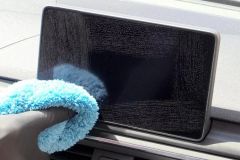 How to Clean Car Navigation Screen Without DamageLearn How to Clean Car Navigation Screen safely without harsh chemicals. Discover the best cleaning methods, tools, mistakes to avoid, and professional car care tips for keeping your touchscreen clear.
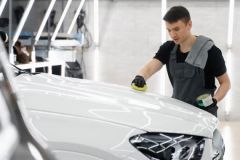 Why Wash Your Car Before Waxing or Sealing? Prep MattersLearn why you should wash your car before applying wax or sealant and how proper prep work improves shine, protection, and long-lasting results for your vehicle.
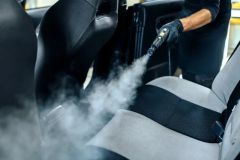 Steam Car Wash Near Me for Interior Sanitizing Without WaterDiscover how a car wash near me that uses steam cleaning can sanitize your vehicle interior without water, remove odors, and provide an eco friendly deep cleaning solution.
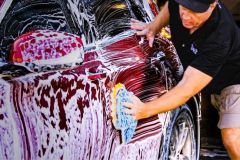 Best Car Wash for Chevy Equinox Plastic Trim CareDiscover how to choose the best car wash near me for Chevy Equinox models and prevent plastic trim drying streaks with proper washing and detailing techniques.
 Car Wash Near Me With Fleet Account Management and ReportsDiscover how a car wash near me with fleet account management, online billing, and detailed reports helps businesses save time, control costs, and keep company vehicles clean.
 Best Car Wash for Convertible Tops Near Me