What this guide helps you decide
Use the article to prepare questions, compare public listing signals, and avoid choosing a provider from one headline, rating, or search result alone.
- 1. Understanding Radar Sensors in Cars
- 2. Why Radar Sensors Are Sensitive to Water
- 3. How to Wash Cars with Radar Sensors Safely
- Confirm current hours, services, prices, appointment rules, and availability with the provider.
- Compare more than one listing when the decision affects safety, cost, or travel time.
- Use public ratings and photos as signals, not guarantees.
- 1- Understanding Radar Sensors in Cars
- 2- Why Radar Sensors Are Sensitive to Water
- 3- How to Wash Cars with Radar Sensors Safely
- 4- Common Mistakes to Avoid While Washing Your Car
- 5- Real-Life Experience: Avoiding Damage to Radar Sensors
- 6- Best Car Washing Products for Cars with Radar Sensors
1. Understanding Radar Sensors in Cars
Radar sensors are an essential part of modern vehicle technology, especially in cars equipped with advanced driver-assistance systems (ADAS). These sensors are typically used for features like adaptive cruise control, collision avoidance, parking sensors, and lane-keeping assistance. Radar sensors help the car detect obstacles and maintain a safe distance from other vehicles.
These sensors are often mounted on the front and rear bumpers, and they operate by emitting radio waves and measuring how these waves bounce back from nearby objects. While these sensors are built to withstand the elements, washing a car improperly can lead to sensor malfunctions, especially when water or debris gets into sensitive areas.
2. Why Radar Sensors Are Sensitive to Water
Radar sensors are typically enclosed in protective housings that shield them from moisture, dirt, and other environmental factors. However, water can still affect the functionality of the sensors if it enters the housing or if there is improper water flow during car washing.
When washing a car, water pressure can force moisture into the radar sensor housings, which may cause them to become misaligned or damaged over time. Additionally, the buildup of water droplets or detergent residue on the sensor's surface can impair its ability to send or receive signals, leading to reduced performance or sensor failure.
Therefore, it is crucial to take extra care when washing a car with radar sensors to ensure the sensors are not exposed to damage or contamination.
3. How to Wash Cars with Radar Sensors Safely
Washing a car with radar sensors doesn’t have to be difficult or risky. By following a few simple guidelines, you can keep your vehicle clean while protecting its sensitive radar technology:
- Avoid High-Pressure Water: High-pressure washers can force water into the sensor housings. Stick to a low-pressure rinse to gently remove dirt and debris from the surface. If using a pressure washer, keep the nozzle at least 12 inches away from the sensor area.
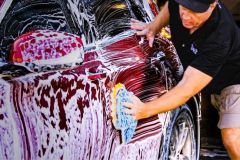
- Hand Wash with Soft Sponges or Cloths: Instead of using abrasive brushes or harsh tools, use a soft microfiber cloth or sponge to wash your car. This minimizes the risk of pushing debris into the sensor areas.
- Focus on the Sensor Areas: Take extra care when washing around the bumpers and areas where the radar sensors are located. Avoid spraying directly at these spots, and gently wipe them with a damp cloth if necessary.
- Dry Carefully: After washing, use a microfiber towel to gently dry the areas around the sensors. This helps to prevent water spots and ensures that no water remains on the sensors that could cause performance issues.
4. Common Mistakes to Avoid While Washing Your Car
While washing your car, there are a few mistakes that could inadvertently damage the radar sensors or affect their performance:
- Spraying Directly at Sensors: Directly spraying water or pressure washing the sensor area can force water into the sensitive components. Always avoid aiming the nozzle at the sensors.
- Using Harsh Chemicals: Some car cleaning products, especially those that are not specifically designed for sensitive automotive technology, can damage sensor housings. Stick to products that are gentle and safe for use around ADAS sensors.
- Overusing Detergents: Excess detergent or soap can leave residue on the sensors, obstructing their functionality. Make sure to rinse thoroughly after using any soap or cleaning product on your vehicle.
5. Real-Life Experience: Avoiding Damage to Radar Sensors
Consider the story of Sarah, a suburban car owner who recently experienced issues with her car’s radar sensors after a routine car wash. She had been using a high-pressure washer to clean her car, unaware that the water pressure was too high for the sensor areas. As a result, her car’s adaptive cruise control and collision warning systems began malfunctioning.
After visiting the dealership, Sarah learned that the sensor housings had become misaligned due to the water pressure, causing the system to misfire. The solution was a recalibration of the radar sensors, which was an inconvenient and costly process.
Sarah’s experience highlights the importance of being cautious when washing cars with radar sensors. A simple mistake like using a high-pressure washer can lead to unexpected repairs and inconveniences.
6. Best Car Washing Products for Cars with Radar Sensors
To safely wash your car without damaging radar sensors, it’s important to choose the right products. Here are a few recommendations:
- Microfiber Towels: Soft microfiber towels are ideal for gently drying the sensor areas without causing scratches or pushing water into the sensors. These towels are also great for wiping down sensitive spots without leaving behind residue.
- Low-Pressure Car Wash System: Consider investing in a low-pressure car wash system that offers effective cleaning without risking damage to the sensors. Look for systems designed with adjustable settings to control water pressure.
- Car Cleaning Products for Sensitive Areas: Use car cleaning solutions specifically designed for ADAS-equipped vehicles. These products are formulated to be gentle on radar sensors and other sensitive components, ensuring your car’s technology remains functional.
At Gibby Car Wash, we offer a range of services designed to safely clean your vehicle while protecting its radar sensors. Our professional team uses low-pressure techniques and sensor-safe cleaning products to ensure your car remains in top condition without compromising its technology.
Related Car Wash Guides
Keep reading if you are still comparing service scope, estimate questions, maintenance needs, or listing quality.
 How to Clean Car Navigation Screen Without DamageLearn How to Clean Car Navigation Screen safely without harsh chemicals. Discover the best cleaning methods, tools, mistakes to avoid, and professional car care tips for keeping your touchscreen clear.
 Why Wash Your Car Before Waxing or Sealing? Prep MattersLearn why you should wash your car before applying wax or sealant and how proper prep work improves shine, protection, and long-lasting results for your vehicle.
 Steam Car Wash Near Me for Interior Sanitizing Without WaterDiscover how a car wash near me that uses steam cleaning can sanitize your vehicle interior without water, remove odors, and provide an eco friendly deep cleaning solution.
 Best Car Wash for Chevy Equinox Plastic Trim CareDiscover how to choose the best car wash near me for Chevy Equinox models and prevent plastic trim drying streaks with proper washing and detailing techniques.
 Car Wash Near Me With Fleet Account Management and ReportsDiscover how a car wash near me with fleet account management, online billing, and detailed reports helps businesses save time, control costs, and keep company vehicles clean.
 Best Car Wash for Convertible Tops Near Me