What this guide helps you decide
Use the article to prepare questions, compare public listing signals, and avoid choosing a provider from one headline, rating, or search result alone.
- Interior Windshield Haze: Clean for Clearer Visibility
- Quick answer
- Why it matters
- Confirm current hours, services, prices, appointment rules, and availability with the provider.
- Compare more than one listing when the decision affects safety, cost, or travel time.
- Use public ratings and photos as signals, not guarantees.
Interior Windshield Haze: Clean for Clearer Visibility
On this page
Quick answer
Clean interior windshield haze while the vehicle is parked and cool. Use a glass-safe product and clean low-lint cloth, protect the dashboard, work in small sections, and finish with a dry buff from a second cloth. Avoid products that leave shine or film. Check visibility in daylight and darkness; persistent haze, moisture, odor, or defroster problems may need diagnosis beyond cleaning.
Why it matters
Interior windshield haze is a film on the cabin side of the glass caused by dust, fingerprints, aerosols, smoke, and materials released inside the vehicle. It can scatter light and worsen glare even when the exterior glass looks clean.
This guide is for routine U.S. vehicle detailing. Windshield coatings, tint, camera housings, dashboard materials, and manufacturer cleaning instructions vary. Do not clean while driving or block required visibility equipment.
Practical checklist
- Park safely in shade, cool the glass, set the brake, and provide ventilation.
- Check the manual for tint, coating, camera, sensor, or display restrictions near the windshield.
- Use separate clean low-lint cloths for initial cleaning and final drying.
- Choose a product labeled compatible with the actual glass and aftermarket film.
- Cover or avoid dashboard screens, speakers, leather, fabric, and sensitive trim.
- Apply product to the cloth when spraying the glass could reach electronics or seams.
- Inspect from several angles after the surface dries fully.
Step-by-step plan
- Remove loose dust first with a clean dry cloth so grit is not dragged across the surface.
- Divide the glass into sections. Reach from a stable seated or standing position without leaning on controls or forcing the mirror or camera housing.
- Clean with overlapping strokes and light pressure. Change cloth faces as they collect residue rather than spreading film.
- Dry immediately with a second cloth. A final stroke direction different from the exterior side can help identify which surface still has streaks.
- Clean the exterior separately with suitable tools, including wiper blades when manufacturer guidance permits, to isolate remaining haze.
- Test visibility safely. Observe the parked vehicle under daylight, shade, and nearby light sources; never create glare tests while moving.
- Investigate recurrence. Fast-returning film with dampness, sweet or chemical odor, wet carpet, or poor defrosting can point to a ventilation, leak, or mechanical issue.
Note the cleaner, cloth type, tint or coating, and how quickly haze returns. This helps separate a technique problem from smoke, interior products, water intrusion, or HVAC concerns.
Limits and warning signs
Household cleaners may contain ingredients incompatible with tint or coatings, and paper products can shed lint or scratch some films. Cleaning cannot repair pitting, delamination, cracks, damaged tint, failed seals, or internal moisture between glass layers.
Do not drive when glare, fogging, ice, cracks, or contamination prevents a clear view. Seek qualified service for persistent interior moisture, unusual odor with coolant concerns, nonworking defroster, damaged camera area, spreading crack, or possible water leak.
Frequently asked questions
Why does the windshield look clean until nighttime?
A thin film may scatter headlights more visibly in darkness. Inspect from multiple angles after fully drying both sides.
Can I use ordinary household glass cleaner?
Only if it is compatible with the vehicle's glass, tint, coatings, and nearby materials. Follow product and vehicle guidance.
Should I spray directly on the windshield?
Applying to the cloth can reduce overspray into dashboard seams, electronics, and trim.
What if haze returns in a day?
Review interior aerosols, smoking, cloth residue, moisture, and HVAC or leak symptoms. Rapid recurrence may need more than another wipe.
Sources and evidence
The article reflects common automotive glass-care practice: cool the surface, use compatible products, control overspray, separate wash and dry cloths, and treat recurring moisture or visibility problems as possible service concerns.
Conclusion and next steps
Clean a cool parked windshield in small sections and finish with a fresh dry cloth. Inspect both sides before driving at night. If haze returns quickly or accompanies moisture or odor, document the pattern and arrange an appropriate vehicle inspection.
Related Car Wash Guides
Keep reading if you are still comparing service scope, estimate questions, maintenance needs, or listing quality.
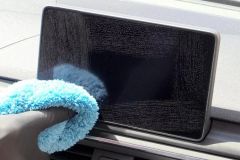 How to Clean Car Navigation Screen Without DamageLearn How to Clean Car Navigation Screen safely without harsh chemicals. Discover the best cleaning methods, tools, mistakes to avoid, and professional car care tips for keeping your touchscreen clear.
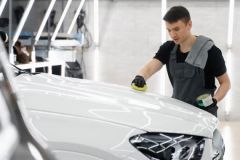 Why Wash Your Car Before Waxing or Sealing? Prep MattersLearn why you should wash your car before applying wax or sealant and how proper prep work improves shine, protection, and long-lasting results for your vehicle.
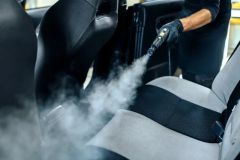 Steam Car Wash Near Me for Interior Sanitizing Without WaterDiscover how a car wash near me that uses steam cleaning can sanitize your vehicle interior without water, remove odors, and provide an eco friendly deep cleaning solution.
 Best Car Wash for Chevy Equinox Plastic Trim CareDiscover how to choose the best car wash near me for Chevy Equinox models and prevent plastic trim drying streaks with proper washing and detailing techniques.
 Car Wash Near Me With Fleet Account Management and ReportsDiscover how a car wash near me with fleet account management, online billing, and detailed reports helps businesses save time, control costs, and keep company vehicles clean.
 Best Car Wash for Convertible Tops Near Me