What this guide helps you decide
Use the article to prepare questions, compare public listing signals, and avoid choosing a provider from one headline, rating, or search result alone.
- Matte Paint at a Car Wash: Products, Brushes, and Limits
- Quick answer
- Identify the actual finish
- Confirm current hours, services, prices, appointment rules, and availability with the provider.
- Compare more than one listing when the decision affects safety, cost, or travel time.
- Use public ratings and photos as signals, not guarantees.
Matte Paint at a Car Wash: Products, Brushes, and Limits
On this page
Quick answer
Before washing matte or satin paint, confirm whether the finish is factory paint, a repaint, vinyl wrap, or paint-protection film. Follow the care instructions for that exact surface. Use only compatible cleaner, clean soft wash media, gentle pressure, and thorough drying. Avoid wax, polish, abrasive compounds, aggressive brushes, and spot rubbing unless the finish maker specifically approves them; uneven gloss can be difficult to reverse.
Identify the actual finish
Matte describes appearance, not one universal material. A vehicle can have low-gloss factory clear coat, custom paint, matte vinyl, satin wrap, paint-protection film, or several surfaces at once. Trim, decals, repaired panels, and coated wheels may each require different care.
Check the owner's manual, purchase or repair records, wrap installer paperwork, and product labels. If a panel was repainted or filmed, contact the shop for the exact system and cure time. Do not assume advice for matte paint applies to vinyl or that a product safe for one brand of film is safe for another.
Inspect in diffuse light before washing. Photograph existing glossy spots, stains, scratches, lifting film edges, bubbles, chips, and repaired panels. A pre-wash record helps distinguish an old condition from a change noticed afterward.
Check vehicle and product instructions
Use the vehicle or finish maker guidance as the primary source. Look for the approved wash type, water temperature, pressure distance, cleaner chemistry, drying method, decontamination products, and restrictions on wax, sealant, coating, or automatic equipment.
- Read the entire cleaner label and confirm that it names the relevant surface.
- Do not use a household detergent, solvent, degreaser, or unknown all-purpose chemical.
- Avoid products advertised to add gloss unless the finish instructions allow them.
- Test a permitted product in an inconspicuous area when the maker recommends testing.
- Keep separate towels and wash media for low-gloss finishes.
- Stop when instructions conflict and ask the vehicle maker, installer, or qualified detailer.
New paint, repair material, wrap, or film may need time before washing or chemical exposure. Follow the installer timeline rather than a generic waiting period.
Choose a compatible wash method
Ask a car wash whether its chemicals, brushes, drying agents, wax option, and pressure process are approved for the specific finish. Touchless does not automatically mean compatible because chemistry and pressure still matter. A soft-cloth system can retain contamination or use gloss-enhancing products.
If staff cannot identify the process or disable an unapproved wax, protectant, or brush step, choose another method. Check vehicle clearance, accessories, loose film edges, damage, and automated-wash instructions before entering.
A controlled hand wash is often easier to tailor, but it is not automatically safe. Dirty mitts, hard water, direct sun, excessive pressure, and repeated rubbing can create marks or uneven appearance.
Use a controlled hand-wash sequence
- Work on a cool surface in shade when the product instructions allow.
- Rinse loose grit from top to bottom without directing high pressure at damaged edges, seals, sensors, or film seams.
- Prepare the approved cleaner at the stated dilution and use clean buckets and soft media.
- Wash small sections with light, straight passes rather than hard circular scrubbing.
- Rinse the wash media often and replace it if dropped or contaminated.
- Rinse thoroughly before cleaner dries on the surface.
- Blot or gently glide a clean compatible drying towel as directed; do not buff for shine.
- Inspect from several angles after the surface is fully dry.
Do not chase one mark by increasing pressure. Repeated rubbing can change the local sheen even when the cleaner appears mild.
Handle stains and damage without polishing
Bird droppings, insects, tree sap, fuel, oil, road film, and mineral spots can stain or etch a low-gloss finish. Remove contamination promptly using the specific finish maker's method. Soften residue with an approved product and clean towel rather than scraping.
Do not use a clay bar, polishing machine, abrasive compound, scratch remover, melamine foam, or ordinary wax unless the manufacturer explicitly approves it. Many techniques designed to improve glossy paint create a shiny patch on matte surfaces.
Seek a qualified finish or wrap specialist when a stain remains, the sheen changes, film lifts, paint is chipped through layers, or a scratch catches a nail. Local polishing may not blend; repair can require treating or replacing a larger panel or film section.
Evidence notes: care varies by vehicle, paint system, wrap, and film. The exact owner's manual, finish manufacturer technical guidance, product label, and installer aftercare sheet are the relevant primary sources. Generic online demonstrations cannot confirm compatibility with your surface.
Frequently asked questions
Can matte paint go through an automatic car wash?
Only when the vehicle and finish instructions allow the exact equipment and chemicals. Ask whether brushes, waxes, drying agents, or gloss enhancers can be excluded.
Can I wax matte paint?
Do not use ordinary wax unless the finish maker specifically approves it. Products made to increase gloss can create uneven appearance.
Is pressure washing safe?
Follow limits for pressure, distance, angle, temperature, and sensitive edges. Avoid damaged paint, lifting film, seals, cameras, sensors, and electrical openings.
How should water spots be removed?
Use the approved cleaner and method promptly. Do not polish or scrub a spot in isolation without specific guidance, because local sheen can change.
What if one panel looks glossier after washing?
Stop further rubbing or product use, document the area in diffuse light, and contact the finish maker, installer, or qualified detailer for assessment.
Conclusion and next steps
Identify the finish, gather its care instructions, and confirm every cleaner and wash step before starting. Use clean soft media, light pressure, thorough rinsing, and compatible drying. Treat gloss-adding products, abrasives, hard brushes, and spot polishing as stop signals. When contamination or damage remains, preserve the current surface and ask a qualified specialist rather than experimenting.
Related Car Wash Guides
Keep reading if you are still comparing service scope, estimate questions, maintenance needs, or listing quality.
 How to Clean Car Navigation Screen Without DamageLearn How to Clean Car Navigation Screen safely without harsh chemicals. Discover the best cleaning methods, tools, mistakes to avoid, and professional car care tips for keeping your touchscreen clear.
 Why Wash Your Car Before Waxing or Sealing? Prep MattersLearn why you should wash your car before applying wax or sealant and how proper prep work improves shine, protection, and long-lasting results for your vehicle.
 Steam Car Wash Near Me for Interior Sanitizing Without WaterDiscover how a car wash near me that uses steam cleaning can sanitize your vehicle interior without water, remove odors, and provide an eco friendly deep cleaning solution.
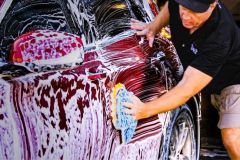 Best Car Wash for Chevy Equinox Plastic Trim CareDiscover how to choose the best car wash near me for Chevy Equinox models and prevent plastic trim drying streaks with proper washing and detailing techniques.
 Car Wash Near Me With Fleet Account Management and ReportsDiscover how a car wash near me with fleet account management, online billing, and detailed reports helps businesses save time, control costs, and keep company vehicles clean.
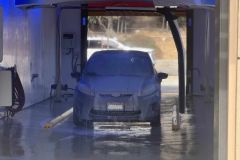 Best Car Wash for Convertible Tops Near Me