What this guide helps you decide
Use the article to prepare questions, compare public listing signals, and avoid choosing a provider from one headline, rating, or search result alone.
- 1. Understanding Mobile Car Wash Services in Cities
- 2. Stationary Car Wash: Urban Performance and Limitations
- 3. What Urban Drivers Value Most
- Confirm current hours, services, prices, appointment rules, and availability with the provider.
- Compare more than one listing when the decision affects safety, cost, or travel time.
- Use public ratings and photos as signals, not guarantees.
- understanding-mobile-car-wash-services-in-cities
- stationary-car-wash-urban-performance-and-limitations
- what-urban-drivers-value-most
- real-examples-from-urban-car-owners
- which-option-makes-sense-for-you
- urban-car-care-support-from-gibby
1. Understanding Mobile Car Wash Services in Cities
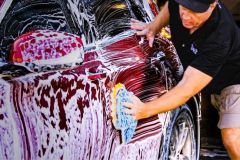
Urban residents often deal with tight schedules and limited parking, which makes mobile car wash services incredibly appealing. These services bring the wash to your car, whether it’s parked in a residential garage, office lot, or street. Mobile car wash providers use water-saving techniques, eco-friendly soaps, and even offer detailing packages right on the spot.
In traffic-heavy areas like Los Angeles or New York City, many drivers appreciate that they don’t need to drive out of their way to maintain vehicle cleanliness. In fact, mobile car washes can be lifesavers for commuters who leave early and return late.
2. Stationary Car Wash: Urban Performance and Limitations
2.1. Pros of Traditional Car Washes
Stationary car washes are known for speed and consistency. You can drive through, get a full-service interior clean, and enjoy industrial-grade equipment. For high-traffic roads with lots of road grime, stationary services can blast off stubborn contaminants efficiently.
2.2. Urban Challenges
However, in downtown cores where parking is scarce, it’s not always convenient to get to a car wash. You might have to wait in line, pay for parking, or circle the block during peak hours. That’s a tough sell for someone already juggling errands and city congestion.
3. What Urban Drivers Value Most
3.1. Time and Accessibility
City dwellers place a premium on services that don’t disrupt their routines. Mobile car wash options allow them to multitask—cleaning while at work or relaxing at home. Convenience is king, especially in cities like San Francisco or Chicago where commute times are long and every minute matters.
3.2. Water Efficiency and Eco-Friendly Practices
Many mobile car washes use 90% less water than traditional locations. That’s a major plus in states with drought concerns like California. Additionally, urban consumers are becoming more eco-conscious, favoring businesses that offer biodegradable soaps and minimal runoff.
4. Real Examples from Urban Car Owners
Samantha, a freelance designer living in downtown Seattle, uses a mobile car wash every two weeks: “They show up while I’m in client meetings. I don’t even have to move my car from the apartment garage.”
In contrast, James from Atlanta prefers a traditional station for his large SUV: “The undercarriage wash is important here, especially during pollen season. I need the heavy-duty stuff sometimes.”
5. Which Option Makes Sense for You?
There’s no universal winner. It comes down to your lifestyle and location. If you live in a walkable city and park on the street, mobile services will likely be more convenient. If your vehicle often faces tough road grime or you have specific cleaning requirements, a stationary wash may provide the depth you need.
Some vehicle owners combine both—using mobile for maintenance and stationary for quarterly deep cleans. That balance often works well in fast-paced city life.
6. Urban Car Care Support from Gibby
Whether you lean toward mobile convenience or the polish of a fixed location, Gibby Car Wash offers tailored support and high-quality products suited for every urban car owner. Their platform helps you choose the right tools and services to match your city routine—so your vehicle stays clean without stress.
Gibby also provides consultation for fleet vehicles, apartment complex agreements, and eco-conscious options, making it a trusted name for drivers navigating urban America.
Related Car Wash Guides
Keep reading if you are still comparing service scope, estimate questions, maintenance needs, or listing quality.
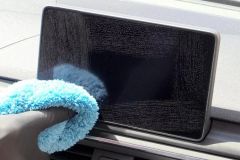 How to Clean Car Navigation Screen Without DamageLearn How to Clean Car Navigation Screen safely without harsh chemicals. Discover the best cleaning methods, tools, mistakes to avoid, and professional car care tips for keeping your touchscreen clear.
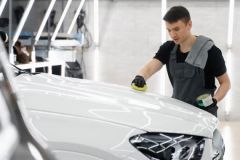 Why Wash Your Car Before Waxing or Sealing? Prep MattersLearn why you should wash your car before applying wax or sealant and how proper prep work improves shine, protection, and long-lasting results for your vehicle.
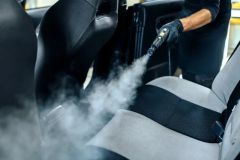 Steam Car Wash Near Me for Interior Sanitizing Without WaterDiscover how a car wash near me that uses steam cleaning can sanitize your vehicle interior without water, remove odors, and provide an eco friendly deep cleaning solution.
 Best Car Wash for Chevy Equinox Plastic Trim CareDiscover how to choose the best car wash near me for Chevy Equinox models and prevent plastic trim drying streaks with proper washing and detailing techniques.
 Car Wash Near Me With Fleet Account Management and ReportsDiscover how a car wash near me with fleet account management, online billing, and detailed reports helps businesses save time, control costs, and keep company vehicles clean.
 Best Car Wash for Convertible Tops Near Me