What this guide helps you decide
Use the article to prepare questions, compare public listing signals, and avoid choosing a provider from one headline, rating, or search result alone.
- Touchless vs Soft-Touch Car Wash: Which Fits?
- Quick answer
- What each wash type means
- Confirm current hours, services, prices, appointment rules, and availability with the provider.
- Compare more than one listing when the decision affects safety, cost, or travel time.
- Use public ratings and photos as signals, not guarantees.
Touchless vs Soft-Touch Car Wash: Which Fits?
On this page
Quick answer
Choose a touchless car wash when you want no brush contact and your vehicle is only lightly to moderately dirty. Choose a soft-touch wash when road film, pollen, bug residue, or winter grime needs more agitation. The better option depends on paint condition, dirt level, wash equipment, and drying quality.
What each wash type means
A touchless car wash cleans with high-pressure water and detergents without brushes or cloth contacting the vehicle. A soft-touch car wash uses foam, water, and soft wash materials that physically contact the paint to loosen grime.
Both can be useful when the site is well maintained. The real difference is the tradeoff between contact-free washing and mechanical cleaning action.
Best for and not ideal for
Touchless is best for newer vehicles, ceramic-coated cars, lightly dusty paint, quick maintenance washes, and drivers who want to reduce physical contact. It is not ideal for heavy road film, baked-on bug residue, salt buildup, or neglected grime.
Soft-touch is best for daily drivers with visible film, pollen, mud splash, and grime that needs gentle agitation. It is not ideal for vehicles with loose trim, damaged paint, delicate aftermarket parts, or owners who want a contact-free process.
Cleaning power and paint contact
Touchless systems rely heavily on chemistry, dwell time, water pressure, and rinse quality. They can leave a faint film if dirt is oily or bonded to the surface.
Soft-touch systems add mechanical action, which often improves cleaning on lower panels, rear bumpers, and areas that collect road film. However, the wash quality depends on clean equipment, proper lubrication, and a facility that maintains its materials.
How to choose a local wash
When searching for a car wash near you, compare the service details rather than choosing only by distance. Look for clear package descriptions, visible equipment upkeep, good drying, staff support, and options that match your vehicle.
If your car has a roof rack, bike rack, loose trim, specialty wheels, matte wrap, convertible top, or low clearance, check the wash rules before entering an automatic bay.
Decision checklist
Use this quick guide:
- Light dust or pollen: touchless may be enough.
- Heavy road film or winter grime: soft-touch may clean better.
- Fresh paint, delicate trim, or unknown modifications: ask staff before washing.
- Bug splatter or bird droppings: pre-treat or choose a package with better soak time.
- Dark paint: prioritize clean equipment and strong drying to reduce visible streaks.
- Coated vehicle: follow coating installer or product maintenance guidance.
Important notes
This article offers general car wash selection guidance. It does not verify a specific location’s equipment, chemical mix, brush condition, or suitability for every vehicle.
When in doubt, ask the attendant or choose a hand wash/detailing service for delicate finishes, loose parts, specialty vehicles, or paint correction needs.
FAQ
Is touchless always safer for paint?
Touchless avoids brush contact, but results still depend on chemicals, pressure, and rinse quality. It may also leave film when the vehicle is very dirty.
Does soft-touch scratch cars?
A well-maintained soft-touch wash is designed to be gentle, but any contact method depends on clean materials and proper lubrication. Inspect the facility and avoid washing over loose grit when possible.
Which wash is better after a road trip?
If the vehicle has bugs, oily film, and lower-panel grime, a soft-touch wash or pre-treatment may clean better. For light highway dust, touchless can be a good quick option.
Should I dry the car after an automatic wash?
Good drying reduces water spots and streaks. If towels are provided, use clean, soft towels only and avoid rubbing dirt that remains on the paint.
Evidence notes
This comparison is based on common car wash process differences: pressure and detergents for touchless systems, plus physical agitation for soft-touch systems. Actual results vary by vehicle condition and facility maintenance.
Next steps
For your next wash, match the method to the dirt. Pick touchless for a light maintenance rinse and soft-touch when grime needs more help, then judge the result by lower panels, rear bumper, mirrors, wheels, and drying quality.
Related Car Wash Guides
Keep reading if you are still comparing service scope, estimate questions, maintenance needs, or listing quality.
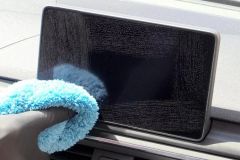 How to Clean Car Navigation Screen Without DamageLearn How to Clean Car Navigation Screen safely without harsh chemicals. Discover the best cleaning methods, tools, mistakes to avoid, and professional car care tips for keeping your touchscreen clear.
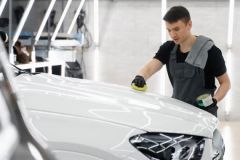 Why Wash Your Car Before Waxing or Sealing? Prep MattersLearn why you should wash your car before applying wax or sealant and how proper prep work improves shine, protection, and long-lasting results for your vehicle.
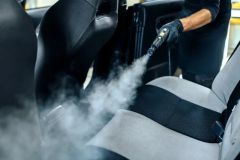 Steam Car Wash Near Me for Interior Sanitizing Without WaterDiscover how a car wash near me that uses steam cleaning can sanitize your vehicle interior without water, remove odors, and provide an eco friendly deep cleaning solution.
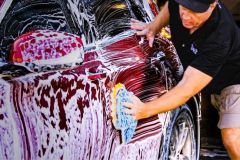 Best Car Wash for Chevy Equinox Plastic Trim CareDiscover how to choose the best car wash near me for Chevy Equinox models and prevent plastic trim drying streaks with proper washing and detailing techniques.
 Car Wash Near Me With Fleet Account Management and ReportsDiscover how a car wash near me with fleet account management, online billing, and detailed reports helps businesses save time, control costs, and keep company vehicles clean.
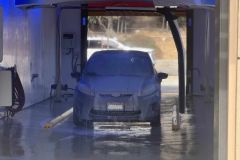 Best Car Wash for Convertible Tops Near Me