What this guide helps you decide
Use the article to prepare questions, compare public listing signals, and avoid choosing a provider from one headline, rating, or search result alone.
- Undercarriage Wash: When Your Car Actually Needs One
- Quick answer
- What an undercarriage wash does
- Confirm current hours, services, prices, appointment rules, and availability with the provider.
- Compare more than one listing when the decision affects safety, cost, or travel time.
- Use public ratings and photos as signals, not guarantees.
Undercarriage Wash: When Your Car Actually Needs One
On this page
Quick answer
An undercarriage wash is most useful after repeated driving on salted roads, deep mud, coastal spray, construction dust, or contaminated standing water. Choose a system compatible with the vehicle and use moderate, well-directed rinsing rather than extreme pressure. Inspect first if shields, wiring, brake parts, exhaust components, or aftermarket accessories are loose or damaged.
What an undercarriage wash does
An undercarriage wash directs water beneath a vehicle to remove salt residue, packed mud, sand, and road film from accessible areas. It is a cleaning step, not rust repair, mechanical service, or proof that every hidden cavity is clean.
Modern vehicles are designed to encounter rain and road splash, but connectors, shields, seals, coatings, drain paths, and modifications vary. Good cleaning removes deposits without forcing water into vulnerable areas or dislodging damaged parts.
When to choose one
- Winter roads: after recurring exposure to road salt or deicing chemicals, especially at the end of a storm cycle.
- Mud or clay: when deposits remain on suspension, wheel wells, frames, or protective panels.
- Coastal driving: after salt spray, beach access roads, or salty standing water.
- Construction and gravel: when fine dust and packed material accumulate underneath.
- Off-road use: after checking for sticks, stones, and damage first.
- Before inspection or repair: when a technician requests a clean surface to identify leaks or damage.
A routine highway car in a dry climate may need this service less often than a vehicle used through a salted winter. Choose based on exposure, not a fixed calendar alone.
When to inspect or delay
Inspect before washing if the vehicle recently struck debris, crossed deep water, went off-road, or developed a rattle. Loose splash shields, hanging liners, damaged wiring, open connectors, cracked coatings, leaking fluids, and insecure aftermarket lighting can be worsened or hidden by immediate washing.
Do not wash a very hot exhaust or drivetrain. Follow manufacturer guidance after repairs, rustproofing, undercoating, seam sealer, paint, or adhesive work because those materials may require curing time. A leaking vehicle needs mechanical diagnosis; washing away evidence is not a repair.
Questions to ask the car wash
- Is the underbody rinse automatic, handheld, or part of a wash package?
- Does the system use plain water or a cleaner, and is it compatible with the vehicle?
- Can staff accommodate low ground clearance, skid plates, steps, or aftermarket equipment?
- How is heavy packed mud handled before the automatic equipment?
- Are there restrictions for convertibles, modified vehicles, exposed damage, or specialty coatings?
- Does the facility recycle or treat wash water according to local requirements?
A safer home approach
Confirm that driveway washing and runoff are allowed locally. Park on a stable surface, let the vehicle cool, and never work under a car supported only by a jack. A low, wide fan of water from a safe distance is preferable to a concentrated jet aimed into seals, boots, bearings, electrical connectors, sensors, or damaged coatings.
Remove large debris by hand only when the vehicle is secure and the parts are cool. Work from wheel wells and accessible edges; do not crawl underneath without proper rated supports and safe lifting knowledge. Avoid directing water into the exhaust outlet or high-voltage service areas.
What to check afterward
- Walk around the vehicle for hanging shields, loose trim, or trapped debris.
- Check the ground for a new fluid leak after clean water drains away.
- Confirm that warning lights remain off and electrical features work normally.
- At low speed in a safe area, apply the brakes gently to confirm normal feel.
- Listen for a new scrape, rattle, or vibration.
- Schedule inspection if a coating has peeled or corrosion is visible.
Temporary wet-brake behavior can occur after washing, so follow the owner’s manual and drive conservatively until normal response is confirmed.
Seasonal decision checklist
- What did the vehicle encounter: salt, mud, sand, spray, dust, or floodwater?
- Are deposits still visible in wheel wells or below the body?
- Is any part loose, leaking, hot, newly repaired, or modified?
- Does the owner’s manual include washing restrictions?
- Can the selected wash safely accommodate the vehicle’s clearance and equipment?
- Is runoff managed legally and responsibly?
Important notes and limitations
This is general cleaning guidance, not a substitute for the owner’s manual or an underbody inspection. Electric, hybrid, classic, off-road, lowered, rustproofed, and modified vehicles may have specific procedures. Never enter floodwater to clean a vehicle, and have a flood-exposed vehicle assessed for safety before operation or washing.
Evidence and source notes
The decision framework reflects common vehicle-care and corrosion-control practice: remove salt and packed contamination, avoid hot or damaged components, use the least aggressive effective rinse, and inspect after unusual exposure. The vehicle manufacturer, accessory maker, coating installer, and local environmental authority are the controlling sources for model-specific and runoff requirements.
Frequently asked questions
Do I need an undercarriage wash after every car wash?
No. Frequency should reflect exposure. Salt, mud, sand, and coastal spray create a stronger reason than ordinary dry-road driving.
Can an undercarriage wash stop rust?
Cleaning can remove deposits that hold moisture and salts, but it cannot reverse corrosion or replace coating repair and inspection.
Is an underbody wash safe for an electric vehicle?
Use a system permitted by the exact owner’s manual and avoid damaged or exposed high-voltage components. Ask the manufacturer or service center when uncertain.
Should I wash underneath after driving through floodwater?
Flood exposure can affect brakes, fluids, electronics, bearings, and safety systems. Arrange inspection before treating it as a normal cleaning job.
Can I use a pressure washer?
Only within equipment and vehicle guidance. Avoid narrow high-pressure jets near seals, connectors, boots, sensors, coatings, and loose parts.
Next steps
Identify the recent exposure, let the vehicle cool, inspect for damage or leaks, then choose a compatible professional or moderate home rinse. Recheck shields, leaks, warning lights, and brake response after washing.
Related Car Wash Guides
Keep reading if you are still comparing service scope, estimate questions, maintenance needs, or listing quality.
 How to Clean Car Navigation Screen Without DamageLearn How to Clean Car Navigation Screen safely without harsh chemicals. Discover the best cleaning methods, tools, mistakes to avoid, and professional car care tips for keeping your touchscreen clear.
 Why Wash Your Car Before Waxing or Sealing? Prep MattersLearn why you should wash your car before applying wax or sealant and how proper prep work improves shine, protection, and long-lasting results for your vehicle.
 Steam Car Wash Near Me for Interior Sanitizing Without WaterDiscover how a car wash near me that uses steam cleaning can sanitize your vehicle interior without water, remove odors, and provide an eco friendly deep cleaning solution.
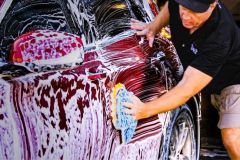 Best Car Wash for Chevy Equinox Plastic Trim CareDiscover how to choose the best car wash near me for Chevy Equinox models and prevent plastic trim drying streaks with proper washing and detailing techniques.
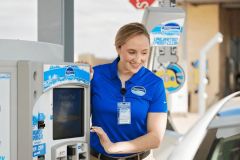 Car Wash Near Me With Fleet Account Management and ReportsDiscover how a car wash near me with fleet account management, online billing, and detailed reports helps businesses save time, control costs, and keep company vehicles clean.
 Best Car Wash for Convertible Tops Near Me