What this guide helps you decide
Use the article to prepare questions, compare public listing signals, and avoid choosing a provider from one headline, rating, or search result alone.
- 1. Why Washing Larger Vehicles Requires Special Care
- 2. Choosing the Right Tools for RV and Large Vehicle Washing
- 3. Step-by-Step Vehicle Wash Tips for RVs and Larger Vehicles
- Confirm current hours, services, prices, appointment rules, and availability with the provider.
- Compare more than one listing when the decision affects safety, cost, or travel time.
- Use public ratings and photos as signals, not guarantees.
- 1 - Why Washing Larger Vehicles Requires Special Care
- 2 - Choosing the Right Tools for RV and Large Vehicle Washing
- 3 - Step-by-Step Vehicle Wash Tips for RVs and Larger Vehicles
- 4 - Real Cases: How Owners Maintain Their RVs
- 5 - Mistakes to Avoid During Washing
- 6 - Where to Find Professional Support and Products
1. Why Washing Larger Vehicles Requires Special Care
Vehicle wash tips for RVs and larger vehicles go beyond regular car care. Due to their size and surface area, dirt, bugs, and road grime can accumulate quickly, especially on long road trips. Unlike smaller cars, RVs and large trucks often have higher roofs, sensitive decals, and unique finishes that need careful handling. Neglecting proper washing can lead to faded paint, rust, and costly repairs over time. Regular cleaning not only improves appearance but also extends the life of the vehicle.
2. Choosing the Right Tools for RV and Large Vehicle Washing
Washing a large vehicle requires the right set of tools. Long-handled brushes with soft bristles help reach high spots without scratching the paint. A pressure washer can be effective but must be used carefully to avoid damaging seals and decals. Using an RV-safe soap is crucial, since harsh chemicals may strip protective coatings. Microfiber towels are also essential for drying to prevent water spots. Owners who equip themselves with proper tools find the process faster, safer, and more effective.
3. Step-by-Step Vehicle Wash Tips for RVs and Larger Vehicles
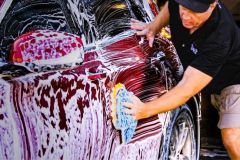
Start by rinsing the entire vehicle to loosen dirt. Work from the top down, as this prevents dirty water from dripping onto clean areas. Apply soap in sections to avoid streaking, scrubbing gently with a long-handled brush. Pay special attention to windows, mirrors, and wheels, where buildup is most common. After rinsing, dry the RV thoroughly to prevent water stains. Many RV owners also apply a wax or sealant afterward, which adds a protective layer against UV rays and road grime. Following these steps ensures a professional-quality wash at home.
4. Real Cases: How Owners Maintain Their RVs
One RV enthusiast in Arizona shared that after cross-country trips, he sets aside a full afternoon just for washing and waxing. This routine has kept his 8-year-old motorhome looking brand new. Another example comes from a Florida couple who invested in extendable brushes and waterless wash products when dealing with frequent rain. Their proactive cleaning routine helped them avoid mold issues, which are common in humid climates. These stories highlight how consistent, careful washing makes a long-term difference.
5. Mistakes to Avoid During Washing
It’s easy to make mistakes when washing larger vehicles. Using dish soap, for instance, can strip away protective wax and harm finishes. Ignoring the roof is another common oversight—yet it’s the area that collects the most debris. High-pressure washers can also be dangerous if aimed directly at seals or vents. Overlooking drying can leave streaks and mineral deposits. Avoiding these errors keeps the wash effective and prevents damage.
6. Where to Find Professional Support and Products
For those who find the process overwhelming, professional services offer convenience and expertise. Gibby Car Wash specializes in providing products and services tailored to RVs and large vehicles, ensuring that even the toughest spots are cleaned safely. Whether you need specialized cleaning supplies or want to schedule a professional wash, having the right support makes vehicle care easier and more reliable.
Related Car Wash Guides
Keep reading if you are still comparing service scope, estimate questions, maintenance needs, or listing quality.
 How to Clean Car Navigation Screen Without DamageLearn How to Clean Car Navigation Screen safely without harsh chemicals. Discover the best cleaning methods, tools, mistakes to avoid, and professional car care tips for keeping your touchscreen clear.
 Why Wash Your Car Before Waxing or Sealing? Prep MattersLearn why you should wash your car before applying wax or sealant and how proper prep work improves shine, protection, and long-lasting results for your vehicle.
 Steam Car Wash Near Me for Interior Sanitizing Without WaterDiscover how a car wash near me that uses steam cleaning can sanitize your vehicle interior without water, remove odors, and provide an eco friendly deep cleaning solution.
 Best Car Wash for Chevy Equinox Plastic Trim CareDiscover how to choose the best car wash near me for Chevy Equinox models and prevent plastic trim drying streaks with proper washing and detailing techniques.
 Car Wash Near Me With Fleet Account Management and ReportsDiscover how a car wash near me with fleet account management, online billing, and detailed reports helps businesses save time, control costs, and keep company vehicles clean.
 Best Car Wash for Convertible Tops Near Me