What this guide helps you decide
Use the article to prepare questions, compare public listing signals, and avoid choosing a provider from one headline, rating, or search result alone.
- How to Wash Pollen Off a Car Without Scratching Paint
- Quick answer
- Why pollen needs careful removal
- Confirm current hours, services, prices, appointment rules, and availability with the provider.
- Compare more than one listing when the decision affects safety, cost, or travel time.
- Use public ratings and photos as signals, not guarantees.
How to Wash Pollen Off a Car Without Scratching Paint
On this page
Quick answer
To remove pollen without scratching, work on cool paint in shade, rinse loose particles thoroughly before touching the surface, wash with a paint-compatible automotive shampoo and clean lubricated mitt, rinse often, then dry with soft clean towels or safe filtered air. Never wipe dry pollen with a cloth or duster, and do not let pollen mixed with rain, sap, or bird residue bake onto the finish.
Why pollen needs careful removal
Pollen is fine plant material that settles on paint, glass, trim, seals, and crevices. The grains may mix with dust and other abrasive contamination. Dry wiping drags those particles across the clear coat and can create fine scratches.
Pollen itself, rainwater, tree sap mist, bird droppings, and road film can form a more stubborn layer together. A yellow or green appearance does not identify the exact contaminant, so start with the least aggressive paint-safe method.
Prepare the wash
- Park in shade and let hot panels cool.
- Check local water-use and runoff rules.
- Close windows, sunroof, trunk, hood, charge doors, and fuel door as the vehicle requires.
- Use clean wash media reserved for paint, not wheels or lower dirty areas.
- Prepare automotive shampoo at the labeled dilution; avoid dish soap and unverified household cleaners.
- Remove watches, rings, belts, or clothing details that could contact paint.
Best for a heavy loose coating: a thorough low-pressure pre-rinse followed by a lubricated contact wash. Not ideal: a dry microfiber wipe, household feather duster, or automatic brush used on a heavily contaminated surface without adequate pre-rinse.
Safe wash steps
- Rinse from top down. Let flowing water carry loose pollen away. Keep pressure and nozzle distance within vehicle guidance.
- Pre-treat only if needed. Use a compatible product on mixed traffic film or organic residue, following dwell time and never allowing it to dry.
- Wash small sections. Glide a saturated clean mitt in straight overlapping passes with minimal pressure.
- Rinse the mitt frequently. Use multiple mitts or a safe bucket method so captured grit does not return to paint.
- Reserve separate tools for lower panels. Rockers and bumpers often contain heavier road grit.
- Rinse thoroughly. Clear shampoo and loosened contamination from seams, mirrors, grille, wipers, and trim.
- Dry without rubbing grit. Blot or gently glide a soft clean drying towel on a fully rinsed surface; use safe air for crevices.
Do not scrub a stubborn spot harder. Reassess whether it is sap, mineral deposit, insect residue, tar, or paint damage and use a material-specific process or professional detailer.
After the wash
Inspect under diffuse light for remaining film, streaks, water spots, and fine scratches. Clean glass and wiper blades with compatible products so trapped pollen does not smear across the windshield.
A compatible wax, sealant, or coating can make later washing easier but does not prevent pollen from settling or eliminate the need for safe technique. Follow cure, temperature, and maintenance instructions.
During peak pollen periods, reduce accumulation by parking under cover when practical, but avoid trees that drip sap or attract birds. Do not use a tight dirty cover, which can rub contamination into paint.
Pollen wash checklist
- Cool vehicle and shaded work area
- Loose pollen fully pre-rinsed
- Automotive shampoo correctly diluted
- Clean paint-only mitts and towels
- Separate lower-panel tools
- Products kept wet and rinsed before drying
- Seams, wipers, and glass checked
- Runoff and personal allergy exposure managed
Limitations and important notes
Paint type, matte finishes, wraps, coatings, decals, soft convertible materials, and repaired panels may require special products. Consult the vehicle, finish, wrap, and product manufacturer.
Pollen can trigger allergy or asthma symptoms. Work outdoors with appropriate personal precautions, avoid blasting dry pollen into the air, and seek medical help for severe breathing difficulty or another serious reaction. Never mix cleaning chemicals.
Sources and evidence notes
This guide reflects common professional detailing principles: remove loose abrasive material before contact, maximize lubrication, use clean segregated media, avoid heat and product drying, and escalate stubborn contamination rather than increasing pressure. No product brand or universal pressure setting is assumed.
Frequently asked questions
Can I use a California duster?
Dry contact can drag pollen and dust over paint. A proper rinse and wash is safer for a visible buildup.
Will rain wash pollen off?
Rain may move some pollen but can also create streaks and deposits or mix it with other contamination. A controlled wash is more reliable.
Can I use a pressure washer?
Only within vehicle and equipment guidance, with a suitable nozzle, distance, and pressure. Avoid damaged paint, seals, sensors, and sensitive openings.
Why does pollen remain after rinsing?
It may be bonded to traffic film or mixed with sap, minerals, or organic residue. Use a safe contact wash and identify stubborn spots before stronger treatment.
How often should I wash during pollen season?
There is no fixed schedule. Wash when buildup affects visibility, mixes with wet contamination, or becomes significant, considering local restrictions and storage conditions.
Next steps
Move the car into shade, pre-rinse one panel thoroughly, and inspect whether loose pollen releases without contact. Complete a lubricated top-down wash with clean media, then dry and check glass, wipers, seams, and any stubborn residue separately.
Related Car Wash Guides
Keep reading if you are still comparing service scope, estimate questions, maintenance needs, or listing quality.
 How to Clean Car Navigation Screen Without DamageLearn How to Clean Car Navigation Screen safely without harsh chemicals. Discover the best cleaning methods, tools, mistakes to avoid, and professional car care tips for keeping your touchscreen clear.
 Why Wash Your Car Before Waxing or Sealing? Prep MattersLearn why you should wash your car before applying wax or sealant and how proper prep work improves shine, protection, and long-lasting results for your vehicle.
 Steam Car Wash Near Me for Interior Sanitizing Without WaterDiscover how a car wash near me that uses steam cleaning can sanitize your vehicle interior without water, remove odors, and provide an eco friendly deep cleaning solution.
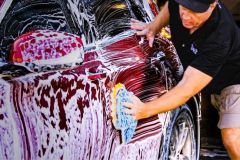 Best Car Wash for Chevy Equinox Plastic Trim CareDiscover how to choose the best car wash near me for Chevy Equinox models and prevent plastic trim drying streaks with proper washing and detailing techniques.
 Car Wash Near Me With Fleet Account Management and ReportsDiscover how a car wash near me with fleet account management, online billing, and detailed reports helps businesses save time, control costs, and keep company vehicles clean.
 Best Car Wash for Convertible Tops Near Me