
What this guide helps you decide
Use the article to prepare questions, compare public listing signals, and avoid choosing a provider from one headline, rating, or search result alone.
- The Impact of Light on Upholstery Fading
- Understanding UV Light and Its Effects
- Types of Interior Lighting to Avoid
- Confirm current hours, services, prices, appointment rules, and availability with the provider.
- Compare more than one listing when the decision affects safety, cost, or travel time.
- Use public ratings and photos as signals, not guarantees.
- The Impact of Light on Upholstery Fading
- Understanding UV Light and Its Effects
- Types of Interior Lighting to Avoid
- How to Prevent Upholstery Fading
The Impact of Light on Upholstery Fading
When it comes to keeping your furniture looking new, many people overlook the influence of light. While we often focus on cleaning and maintenance, the light in your home plays a significant role in the longevity of your upholstery. Over time, exposure to light can cause fabrics to fade, weakening their appearance and texture. This article will delve into how interior lighting contributes to upholstery fading and how you can protect your furniture.
1. Natural vs Artificial Light: The Differences
Both natural sunlight and artificial lighting can cause fading in upholstery, but their effects vary. Sunlight contains ultraviolet (UV) rays, which are known to break down the chemical structure of many fabrics, leading to fading. On the other hand, while artificial lighting doesn't emit as much UV light, certain types—such as halogen bulbs—can still contribute to the fading process over time.
2. How Long-Term Exposure Affects Your Furniture
Exposure to light isn't just about intensity—it's about duration. Upholstery that is regularly exposed to sunlight, especially in areas with large windows or skylights, will experience faster fading. Similarly, even indirect light from lamps or overhead lights can gradually diminish the color of your furniture.
Understanding UV Light and Its Effects
UV light, found in sunlight, is the primary culprit behind most fading issues in upholstery. UV rays are high-energy waves that can penetrate fabrics, breaking down the fibers and causing them to lose their color and texture. Understanding the role of UV light is crucial for anyone looking to preserve their furniture for as long as possible.
1. The Science Behind UV Damage
When UV light hits your furniture, it reacts with the dyes in the fabric, causing chemical changes that result in fading. This process is known as photodegradation. Some fabrics, like cotton, are more susceptible to UV damage, while others, like synthetic fibers, might resist fading better. However, no fabric is entirely immune.
2. How UV Light Causes Fabric Deterioration
UV light not only fades the colors but also weakens the fibers themselves. This leads to cracks or tears in the fabric, making it more prone to wear and tear. Even if the colors don't immediately show signs of fading, prolonged UV exposure can reduce the fabric’s durability.
Types of Interior Lighting to Avoid
While sunlight is the most obvious cause of fading, certain types of artificial lighting can also contribute to upholstery deterioration. Being aware of the different lighting options in your home can help you minimize their harmful effects on your furniture.
1. Halogen Bulbs
Halogen lights are often favored for their bright, white light. However, they emit higher levels of UV radiation compared to standard incandescent or LED bulbs. If you have halogen lights in areas where your upholstery is exposed, it’s worth considering a switch to more UV-friendly alternatives.
2. Fluorescent Lighting
Fluorescent lights are another type of lighting that can affect fabrics over time. While they don't emit as much UV radiation as halogen bulbs, they still contribute to fading, especially when they are on for long periods. For areas with upholstery, consider using UV-blocking shades on light fixtures or using LED bulbs, which are safer for your furniture.
3. Incandescent Bulbs
Incandescent bulbs, while not as energy-efficient as other options, are generally the safest for your upholstery. These bulbs emit minimal UV radiation and are less likely to contribute to fading. However, they can still produce heat, which can affect the longevity of some fabrics over time if left on for extended periods.
How to Prevent Upholstery Fading
Now that we understand the risks of different lighting, it’s time to look at how you can protect your upholstery from fading. With a few simple steps, you can maintain the vibrancy of your furniture for years to come.
1. Use UV-Blocking Window Films
One of the most effective ways to prevent sun damage is by installing UV-blocking window films. These films reduce the amount of UV radiation that enters your home, protecting both your furniture and flooring from fading. It’s a simple and cost-effective solution for homes with a lot of natural light.
2. Position Furniture Wisely
When placing your furniture, avoid positioning it directly in front of windows where sunlight can stream in for hours. Consider using heavy curtains or blinds to block out sunlight during peak hours, especially during the afternoon when UV radiation is strongest.
3. Switch to Energy-Efficient Lighting
Consider switching to LED lights, which emit very little UV radiation compared to other types of artificial lighting. LEDs are not only energy-efficient but also safe for your upholstery, reducing the risk of long-term fading.
4. Regular Cleaning and Maintenance
While light exposure plays a major role in fading, regular cleaning can also help extend the life of your upholstery. Dust and dirt particles can contribute to wear, so clean your furniture regularly using appropriate methods based on the fabric type.
For more tips on how to maintain your upholstery and protect your furniture from fading, visit our website Gibby Car Wash for expert recommendations on the best cleaning products and services.
Related Car Wash Guides
Keep reading if you are still comparing service scope, estimate questions, maintenance needs, or listing quality.
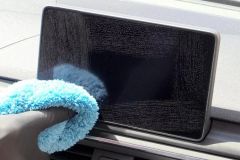 How to Clean Car Navigation Screen Without DamageLearn How to Clean Car Navigation Screen safely without harsh chemicals. Discover the best cleaning methods, tools, mistakes to avoid, and professional car care tips for keeping your touchscreen clear.
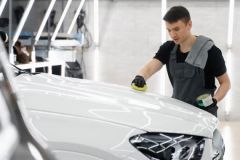 Why Wash Your Car Before Waxing or Sealing? Prep MattersLearn why you should wash your car before applying wax or sealant and how proper prep work improves shine, protection, and long-lasting results for your vehicle.
 Steam Car Wash Near Me for Interior Sanitizing Without WaterDiscover how a car wash near me that uses steam cleaning can sanitize your vehicle interior without water, remove odors, and provide an eco friendly deep cleaning solution.
 Best Car Wash for Chevy Equinox Plastic Trim CareDiscover how to choose the best car wash near me for Chevy Equinox models and prevent plastic trim drying streaks with proper washing and detailing techniques.
 Car Wash Near Me With Fleet Account Management and ReportsDiscover how a car wash near me with fleet account management, online billing, and detailed reports helps businesses save time, control costs, and keep company vehicles clean.
 Best Car Wash for Convertible Tops Near Me