
What this guide helps you decide
Use the article to prepare questions, compare public listing signals, and avoid choosing a provider from one headline, rating, or search result alone.
- 1. Factors That Affect Wash Frequency in the U.S.
- 2. Weather & Climate and Its Impact on Your Vehicle
- 3. Urban vs. Rural Driving Conditions
- Confirm current hours, services, prices, appointment rules, and availability with the provider.
- Compare more than one listing when the decision affects safety, cost, or travel time.
- Use public ratings and photos as signals, not guarantees.
- factors-that-affect-wash-frequency-in-the-us
- weather-climate-and-its-impact-on-your-vehicle
- urban-vs-rural-driving-conditions
- seasonal-changes-and-wash-strategies
- how-often-should-you-wash-a-vehicle-in-the-u-s
- true-story-from-colorado-why-washing-prevented-paint-damage
- get-customized-care-at-gibby-car-wash
1. Factors That Affect Wash Frequency in the U.S.
Many American drivers wonder: how often should you wash your vehicle? The answer depends on a mix of regional climate, driving habits, parking conditions, and even the type of road you travel. A car parked under trees in a humid area will need washing far more frequently than one garaged in a dry, urban zone.
2. Weather & Climate and Its Impact on Your Vehicle
2.1. Snow, Salt, and Ice in Northern States
States like Michigan, New York, and Minnesota use heavy road salt in winter. If left unwashed, that salt can corrode your vehicle’s undercarriage and ruin your paint job. Weekly washes are recommended during snowy months to protect your investment.
2.2. Desert Dust and Sun Exposure
In areas like Arizona or Nevada, your vehicle faces different challenges—intense UV rays and constant dust. A wash every 7–10 days removes microabrasives that can etch the clear coat and helps prevent sun fading.
2.3. Coastal Salt and Humidity
For Floridians and Californians living near the beach, salt air and humidity can silently eat away at your vehicle’s body. Washing your vehicle every week—or even more often if parked outside—is crucial in these climates.
3. Urban vs. Rural Driving Conditions
3.1. City Life: Pollution and Contaminants
City cars collect airborne pollutants, oil mist, and construction dust quickly. For example, someone commuting in downtown Chicago might need a wash every 1–2 weeks just to keep the paint surface healthy and visibility high.
3.2. Country Roads: Mud and Bugs
Rural and suburban drivers face different problems: mud, bugs, tree sap, and gravel dust. These often get baked into your car’s finish by the sun and can damage both the paint and windows if not removed promptly.
4. Seasonal Changes and Wash Strategies
4.1. Spring and Pollen Buildup
In many southern U.S. states, yellow pollen dust covers cars in spring. Frequent washing prevents it from sticking to paint and entering the HVAC system, especially for allergy-sensitive individuals.
4.2. Fall and Sap/Leaf Debris
Fallen leaves and tree sap are acidic and can stain your vehicle’s surface. If your car is parked under trees, you may need to rinse or wash several times a week in the fall season.
5. How Often Should You Wash a Vehicle in the U.S.?
Generally speaking, a good baseline for vehicle washing frequency is every two weeks. However, for drivers in harsh environments or those who prioritize vehicle aesthetics, weekly washing may be more appropriate. Conversely, if your car is stored indoors and rarely used, you may stretch that to once a month. When in doubt, follow the rule: if it looks dirty, it's time to wash it.
6. True Story from Colorado: Why Washing Prevented Paint Damage
A Denver-based SUV owner noticed early paint bubbling on the hood after a few heavy snowstorms. He’d skipped winter washes to save time. When he finally took the car for detailing, the technician confirmed that road salt had eaten through the protective coating. Since then, he’s been visiting a wash station weekly in the winter and applying wax twice a year. No more paint issues—and the resale value stayed solid.
7. Get Customized Care at Gibby Car Wash
Still not sure how often you should wash your vehicle? Visit Gibby Car Wash. Our specialists consider your driving habits, local climate, and vehicle type to recommend a personalized care routine. Whether it’s a simple wash, undercarriage rinse, or ceramic protection, we help your car look its best year-round.
Related Car Wash Guides
Keep reading if you are still comparing service scope, estimate questions, maintenance needs, or listing quality.
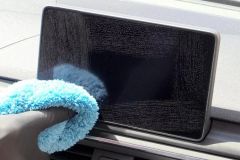 How to Clean Car Navigation Screen Without DamageLearn How to Clean Car Navigation Screen safely without harsh chemicals. Discover the best cleaning methods, tools, mistakes to avoid, and professional car care tips for keeping your touchscreen clear.
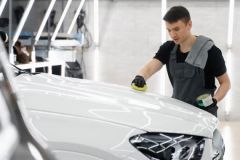 Why Wash Your Car Before Waxing or Sealing? Prep MattersLearn why you should wash your car before applying wax or sealant and how proper prep work improves shine, protection, and long-lasting results for your vehicle.
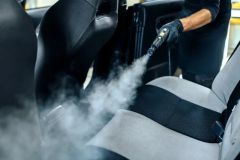 Steam Car Wash Near Me for Interior Sanitizing Without WaterDiscover how a car wash near me that uses steam cleaning can sanitize your vehicle interior without water, remove odors, and provide an eco friendly deep cleaning solution.
 Best Car Wash for Chevy Equinox Plastic Trim CareDiscover how to choose the best car wash near me for Chevy Equinox models and prevent plastic trim drying streaks with proper washing and detailing techniques.
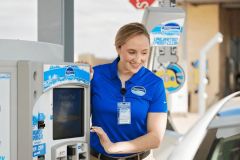 Car Wash Near Me With Fleet Account Management and ReportsDiscover how a car wash near me with fleet account management, online billing, and detailed reports helps businesses save time, control costs, and keep company vehicles clean.
 Best Car Wash for Convertible Tops Near Me