What this guide helps you decide
Use the article to prepare questions, compare public listing signals, and avoid choosing a provider from one headline, rating, or search result alone.
- Why DIY Car Wash Mistakes Happen
- Common DIY Car Wash Mistakes
- How to Avoid DIY Car Wash Mistakes
- Confirm current hours, services, prices, appointment rules, and availability with the provider.
- Compare more than one listing when the decision affects safety, cost, or travel time.
- Use public ratings and photos as signals, not guarantees.
- Why DIY Car Wash Mistakes Happen
- Common DIY Car Wash Mistakes
- How to Avoid DIY Car Wash Mistakes
- Recommended Products for DIY Car Wash
- Maintaining Your Car After a Wash
Why DIY Car Wash Mistakes Happen
Washing your car at home can be a cost-effective and convenient way to maintain its appearance, but it’s easy to make mistakes if you don’t know what you’re doing. DIY car washes often lead to issues like swirl marks, water spots, and damage to the vehicle’s paint if the wrong techniques or products are used. Understanding why mistakes happen can help you avoid them and ensure your car gets a proper clean.
One common reason for mistakes is the lack of proper equipment. Using the wrong types of cloths, sponges, or brushes can scratch the paint, leaving permanent marks. Additionally, the choice of soap or detergent is crucial; some products may be too harsh and strip away wax or damage the paint. Other factors, like washing your car under direct sunlight or using hard water, can also contribute to an imperfect result.
Common DIY Car Wash Mistakes
To get the best results from a DIY car wash, it’s important to avoid these common mistakes:
1. Using the Wrong Products
Using household cleaning products, such as dish soap, is a big mistake when washing your car. These products are designed to remove grease and food residue, but they can also strip away the protective wax on your vehicle. Instead, always use a dedicated car wash soap that is designed to be gentle on your car’s paint while still effectively cleaning the surface.
2. Washing in Direct Sunlight
Washing your car when it’s too hot or in direct sunlight can cause water spots and streaks to form. The water quickly evaporates on the surface, leaving behind minerals that can be hard to remove. It’s best to wash your car during the cooler parts of the day, such as early morning or late evening, to avoid this issue.
3. Using Dirty Towels or Sponges
Using old or dirty sponges, rags, or towels can transfer dirt and grime back onto your car’s surface, causing scratches and swirl marks. Make sure to use microfiber towels or a fresh, clean mitt to avoid this. Microfiber towels are especially effective at trapping dirt and debris without causing damage to the paint.
4. Not Rinsing Thoroughly
A common mistake is not rinsing the car thoroughly before applying soap. Without a proper rinse, dirt and grime can remain on the surface and cause scratching as you scrub. Always rinse your car completely with water before applying soap to ensure a clean surface for washing.
5. Scrubbing the Car Too Hard
Scrubbing the car with excessive force can cause damage to the paint. Instead of pressing hard, gently wash the car using a back-and-forth motion. Let the soap and water do the work. Using a soft, clean sponge or microfiber mitt will prevent you from applying too much pressure.
How to Avoid DIY Car Wash Mistakes
To ensure a successful DIY car wash, follow these expert tips:
1. Use the Right Equipment
Investing in high-quality car wash products is essential. Use microfiber towels, a microfiber wash mitt, and a dedicated car wash soap. Additionally, a two-bucket system is a great way to keep your wash mitt clean while preventing dirt from being re-applied to your car’s surface. One bucket is for soapy water, and the other is for rinsing the mitt.
2. Wash the Car in the Right Conditions
As mentioned earlier, avoid washing your car in direct sunlight. Choose a shaded area or wash your car when it’s cooler outside. If possible, wash your car in the early morning or late evening, when temperatures are lower and the sun is not as intense.
3. Rinse First, Then Apply Soap
Before applying soap, thoroughly rinse the car to remove any large debris or dirt. This helps prevent scratching and makes the washing process much easier. Use a gentle stream of water from a hose to avoid damaging the paint.
4. Work from Top to Bottom
Always start washing from the top of the vehicle and work your way down. This ensures that dirt and grime are removed without being spread around the vehicle. The top of the car is typically the cleanest, so starting there helps avoid contaminating the clean surfaces.
5. Dry Properly
Once the car is washed, it’s important to dry it properly to avoid water spots. Use a clean, dry microfiber towel or a chamois cloth to gently blot the car dry. Avoid wiping the surface, as this can cause streaks and damage to the paint.
Recommended Products for DIY Car Wash
Here are some of the best products to use for a DIY car wash:
- Car Wash Soap – Use a pH-balanced car wash soap designed for automotive paint. Products like Meguiar’s Gold Class Car Wash and Chemical Guys Honeydew Snow Foam are popular and effective choices.
- Microfiber Towels – These soft towels are perfect for drying and detailing without causing scratches. Look for towels with high GSM (grams per square meter) for better absorption and softness.
- Wash Mitt – A microfiber wash mitt is gentler than sponges and provides a safer wash for your vehicle. Chemical Guys Chenille Microfiber Wash Mitt is a great option.
- Wheel Cleaner – For those stubborn brake dust marks on wheels, use a dedicated wheel cleaner like Sonax Wheel Cleaner for safe and effective removal.
- Drying Towel – A chamois towel or microfiber drying towel helps ensure a streak-free finish after washing. The Griot’s Garage PFM Terry Weave Drying Towel is a top pick for drying.
Maintaining Your Car After a Wash
Once your car is clean, it’s important to maintain the shine and protection. Consider applying a layer of wax or paint sealant to protect the surface from dirt, water, and UV rays. Waxing helps preserve the finish and makes future washes easier. Regular washing and maintenance are key to keeping your car looking great.
For more tips on how to keep your car clean and find the best products, check out Gibby Car Wash for recommendations tailored to your needs.
Related Car Wash Guides
Keep reading if you are still comparing service scope, estimate questions, maintenance needs, or listing quality.
 How to Clean Car Navigation Screen Without DamageLearn How to Clean Car Navigation Screen safely without harsh chemicals. Discover the best cleaning methods, tools, mistakes to avoid, and professional car care tips for keeping your touchscreen clear.
 Why Wash Your Car Before Waxing or Sealing? Prep MattersLearn why you should wash your car before applying wax or sealant and how proper prep work improves shine, protection, and long-lasting results for your vehicle.
 Steam Car Wash Near Me for Interior Sanitizing Without WaterDiscover how a car wash near me that uses steam cleaning can sanitize your vehicle interior without water, remove odors, and provide an eco friendly deep cleaning solution.
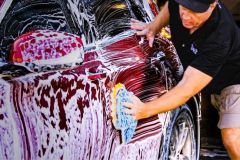 Best Car Wash for Chevy Equinox Plastic Trim CareDiscover how to choose the best car wash near me for Chevy Equinox models and prevent plastic trim drying streaks with proper washing and detailing techniques.
 Car Wash Near Me With Fleet Account Management and ReportsDiscover how a car wash near me with fleet account management, online billing, and detailed reports helps businesses save time, control costs, and keep company vehicles clean.
 Best Car Wash for Convertible Tops Near Me