
What this guide helps you decide
Use the article to prepare questions, compare public listing signals, and avoid choosing a provider from one headline, rating, or search result alone.
- 1. Check Tires and Pressure
- 2. Inspect Fluids and Oil
- 3. Test Battery and Electrical Systems
- Confirm current hours, services, prices, appointment rules, and availability with the provider.
- Compare more than one listing when the decision affects safety, cost, or travel time.
- Use public ratings and photos as signals, not guarantees.
- 1 - Check Tires and Pressure
- 2 - Inspect Fluids and Oil
- 3 - Test Battery and Electrical Systems
- 4 - Cooling System and Air Conditioning
- 5 - Clean and Detail Your Car
- 6 - Pack an Emergency Kit
- 7 - Plan Rest Stops and Comfort
1. Check Tires and Pressure
Before you hit the open road, your tires should be the first thing you inspect. Worn-out treads or improper tire pressure can lead to reduced fuel efficiency and even blowouts. During summer, road surfaces heat up quickly, which can worsen weak tires. Many drivers have avoided serious accidents simply by checking their tire pressure and replacing old tires before long trips.
2. Inspect Fluids and Oil
Fluids are the lifeblood of your car. Ensure that engine oil, transmission fluid, coolant, and windshield washer fluid are all topped off. A road trip without proper lubrication can result in overheating or engine trouble. Think of a real case where a family’s vacation was cut short on a highway due to an ignored low coolant level—small maintenance tasks save big headaches later.
3. Test Battery and Electrical Systems
Hot weather is tough on car batteries. If your battery is more than three years old, have it tested to make sure it can hold a charge. Additionally, check that your headlights, brake lights, and turn signals all function properly. A failed battery in the middle of nowhere is a nightmare no traveler wants to face.
4. Cooling System and Air Conditioning
Summer road trips mean long hours under the sun. Make sure your radiator and cooling system are in good shape to prevent overheating. Equally important is your air conditioning system—comfort matters when driving for hours. Many road-trippers share stories of how a failed AC turned an otherwise fun vacation into a miserable ride.
5. Clean and Detail Your Car
A clean car doesn’t just look good—it improves your driving experience. Dust-free interiors, streak-free windows, and a polished exterior make the ride more enjoyable. Professional services like Gibby Car Wash can help prepare your car inside and out, ensuring you drive in both comfort and style. Starting your trip in a spotless vehicle sets a positive tone for the journey ahead.
6. Pack an Emergency Kit
No matter how well you prepare, unexpected events happen. Equip your car with a roadside emergency kit including jumper cables, first aid supplies, bottled water, and basic tools. Real-life stories of stranded drivers emphasize how a simple kit can turn a crisis into a manageable delay.
7. Plan Rest Stops and Comfort
Long drives can be exhausting. Mapping out rest stops allows drivers and passengers to stretch, refuel, and recharge. Families often find that planning fun pit-stops—such as local diners or small attractions—adds excitement to the trip. Road trips are about the journey as much as the destination, so pacing yourself makes the adventure far more enjoyable.
Related Car Wash Guides
Keep reading if you are still comparing service scope, estimate questions, maintenance needs, or listing quality.
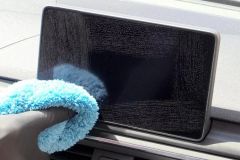 How to Clean Car Navigation Screen Without DamageLearn How to Clean Car Navigation Screen safely without harsh chemicals. Discover the best cleaning methods, tools, mistakes to avoid, and professional car care tips for keeping your touchscreen clear.
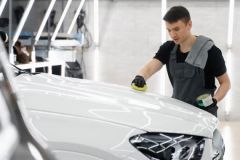 Why Wash Your Car Before Waxing or Sealing? Prep MattersLearn why you should wash your car before applying wax or sealant and how proper prep work improves shine, protection, and long-lasting results for your vehicle.
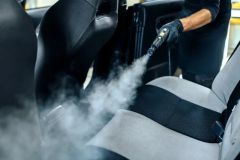 Steam Car Wash Near Me for Interior Sanitizing Without WaterDiscover how a car wash near me that uses steam cleaning can sanitize your vehicle interior without water, remove odors, and provide an eco friendly deep cleaning solution.
 Best Car Wash for Chevy Equinox Plastic Trim CareDiscover how to choose the best car wash near me for Chevy Equinox models and prevent plastic trim drying streaks with proper washing and detailing techniques.
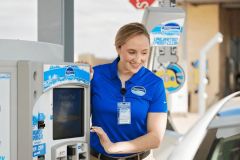 Car Wash Near Me With Fleet Account Management and ReportsDiscover how a car wash near me with fleet account management, online billing, and detailed reports helps businesses save time, control costs, and keep company vehicles clean.
 Best Car Wash for Convertible Tops Near Me