What this guide helps you decide
Use the article to prepare questions, compare public listing signals, and avoid choosing a provider from one headline, rating, or search result alone.
- How to Remove Tree Sap Without Damaging Your Paint (U.S. Guide)
- 1. Why Tree Sap Is Damaging to Car Paint
- 2. Methods to Safely Remove Tree Sap Without Damaging Your Paint
- Confirm current hours, services, prices, appointment rules, and availability with the provider.
- Compare more than one listing when the decision affects safety, cost, or travel time.
- Use public ratings and photos as signals, not guarantees.
How to Remove Tree Sap Without Damaging Your Paint (U.S. Guide)
Tree sap can be one of the most stubborn and irritating substances to remove from your car’s paint. Whether you’ve parked under a tree or driven through an area with sap-laden trees, it’s important to act quickly to avoid permanent damage to your vehicle’s finish. In this guide, we’ll show you how to safely remove tree sap from your car without damaging the paint, using effective methods and the right products. With a little care and the right techniques, you can restore your car’s exterior to its original condition.
1. Why Tree Sap Is Damaging to Car Paint
Tree sap contains sugars and resins that, when left on your car’s paint for too long, can harden and bond to the surface. The sticky substance can attract dust, dirt, and other contaminants, which further complicates the cleaning process. If not removed promptly, tree sap can cause discoloration, dullness, and even permanent damage to the clear coat or paint if it’s left to sit for an extended period.
Sap and UV Damage
Sun exposure can exacerbate the problem. When tree sap sits under the sun, it can harden and bake onto the paint. The longer it stays on, the more challenging it becomes to remove. Additionally, UV rays can break down the sap’s chemical structure, leading to stains or discoloration that may not be easily repaired.
2. Methods to Safely Remove Tree Sap Without Damaging Your Paint
Removing tree sap requires a delicate balance. Using the wrong methods or harsh chemicals can damage your car’s paint, so it’s important to use safe, effective methods. Below are some of the most recommended ways to clean tree sap from your vehicle’s exterior.
1. Water and Soap
For fresh tree sap, the simplest and most gentle method is to wash the affected area with soap and warm water. This can help loosen the sap without damaging the paint. Use a soft microfiber cloth or a sponge to gently scrub the area. For better results, let the soapy water sit on the sap for a few minutes to soften it before wiping it away.
2. Rubbing Alcohol
Rubbing alcohol (isopropyl alcohol) is a highly effective solvent for breaking down tree sap. To use it, apply a small amount of rubbing alcohol to a microfiber cloth and gently rub the sap until it starts to loosen. Once the sap is gone, wash the area with soap and water to remove any remaining alcohol residue. Always test the rubbing alcohol on an inconspicuous area first to ensure it does not damage the paint.
3. Tar and Adhesive Remover
If rubbing alcohol doesn’t do the trick, you can try using a tar and adhesive remover. These products are specifically designed to break down sticky substances like sap. Apply the remover to a microfiber cloth and gently rub the sap. Follow up with a wash using soap and water to remove any residue. Always read the manufacturer’s instructions to ensure the product is safe for use on car paint.
4. Commercial Sap Removers
If DIY methods don’t work, you may want to try a specialized tree sap remover available at most auto parts stores. These products are formulated to dissolve sap safely and efficiently without damaging your vehicle’s paint. Be sure to follow the product’s instructions and always test it on a small, hidden area first to check for compatibility with your vehicle’s finish.
5. Using Ice to Harden the Sap
If the sap is fresh and sticky, applying ice can help harden it, making it easier to remove. Simply place an ice cube in a plastic bag and apply it to the sap for a few minutes. This will cause the sap to solidify, and you can then scrape it off gently with a plastic scraper. Be careful not to scratch the paint while doing this, and always wash the area afterward.
3. Aftercare: Protecting Your Car’s Paint
Once you’ve successfully removed the tree sap, it’s important to protect the area to prevent future damage. Here are some aftercare steps:
Waxing the Affected Area
After removing tree sap, apply a coat of wax to the cleaned area. Waxing helps protect the paint by creating a barrier against contaminants and UV rays. It also restores the shine and smoothness of the paint, ensuring your car stays looking its best.
Regular Washing
Keeping your car regularly washed will help prevent sap and other contaminants from sticking to the surface. Be sure to wash your car after parking under trees to remove any new sap before it can harden and cause damage.
4. Real-Life Case: Removing Tree Sap from a Car
Let’s look at a real-life example: John, a car owner in Southern California, found that tree sap had accumulated on his car after parking under a tree for a few days. Initially, he tried using warm soapy water, but the sap remained stuck. After consulting an expert, he decided to use rubbing alcohol and a microfiber cloth to loosen the sap. It took a few minutes of gentle scrubbing, but the sap came off without damaging the paint. John then applied a layer of wax to protect the area and prevent further sap buildup. He was impressed with how well the car looked afterward and learned that quick action is key when removing tree sap.
5. How to Prevent Tree Sap Buildup in the Future
While it’s difficult to avoid tree sap entirely, there are several steps you can take to minimize the chances of sap causing problems on your car:
Park in Shaded Areas
Whenever possible, park your car away from trees. If you have to park under a tree, look for one with fewer sap-producing leaves. A garage or covered parking is ideal for keeping your vehicle safe from sap and other environmental hazards.
Use a Car Cover
If you live in an area with many trees or have frequent sap issues, consider using a car cover. A cover will shield your vehicle from sap, bird droppings, and other debris, keeping it cleaner for longer.
6. Conclusion
Removing tree sap from your car’s paint can be tricky, but with the right techniques, it’s possible to do so safely without causing any damage. Whether you use rubbing alcohol, a specialized remover, or even ice to harden the sap, the key is to act quickly before it hardens and bonds to the surface. After removal, don’t forget to protect the area with wax and maintain regular car washing to prevent future sap buildup.
If you need professional help or products to protect your car’s paint, check out Gibby Car Wash for the best options available to keep your vehicle looking great.
Related Car Wash Guides
Keep reading if you are still comparing service scope, estimate questions, maintenance needs, or listing quality.
 How to Clean Car Navigation Screen Without DamageLearn How to Clean Car Navigation Screen safely without harsh chemicals. Discover the best cleaning methods, tools, mistakes to avoid, and professional car care tips for keeping your touchscreen clear.
 Why Wash Your Car Before Waxing or Sealing? Prep MattersLearn why you should wash your car before applying wax or sealant and how proper prep work improves shine, protection, and long-lasting results for your vehicle.
 Steam Car Wash Near Me for Interior Sanitizing Without WaterDiscover how a car wash near me that uses steam cleaning can sanitize your vehicle interior without water, remove odors, and provide an eco friendly deep cleaning solution.
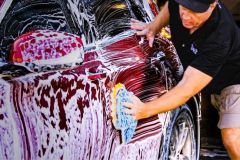 Best Car Wash for Chevy Equinox Plastic Trim CareDiscover how to choose the best car wash near me for Chevy Equinox models and prevent plastic trim drying streaks with proper washing and detailing techniques.
 Car Wash Near Me With Fleet Account Management and ReportsDiscover how a car wash near me with fleet account management, online billing, and detailed reports helps businesses save time, control costs, and keep company vehicles clean.
 Best Car Wash for Convertible Tops Near Me