What this guide helps you decide
Use the article to prepare questions, compare public listing signals, and avoid choosing a provider from one headline, rating, or search result alone.
- Understanding Advanced Driver Assistance Systems and Car Washing
- Sensitive Sensors and Cameras That Need Protection
- Safe Car Washing Methods for ADAS Vehicles
- Confirm current hours, services, prices, appointment rules, and availability with the provider.
- Compare more than one listing when the decision affects safety, cost, or travel time.
- Use public ratings and photos as signals, not guarantees.
- Understanding-Advanced-Driver-Assistance-Systems-and-Car-Washing
- Sensitive-Sensors-and-Cameras-That-Need-Protection
- Safe-Car-Washing-Methods-for-ADAS-Vehicles
- Common-Car-Washing-Mistakes-with-Modern-Vehicles
- Maintaining-ADAS-Performance-After-Washing
Understanding Advanced Driver Assistance Systems and Car Washing
Learning How to Wash Cars with Advanced Driver Assistance Systems has become increasingly important as modern vehicles rely on cameras, radar sensors, and electronic components to improve driving safety. Features such as adaptive cruise control, lane-keeping assistance, and automatic emergency braking depend on sensors that must remain clean and properly aligned.
While these systems are designed to withstand normal weather and road conditions, improper washing techniques can affect sensor performance. Dirt buildup, soap residue, or excessive water pressure may interfere with cameras and radar units.
1. Why ADAS Vehicles Require Special Care
Modern vehicles contain more electronic components than older models.
1.1 Sensor Accuracy
Small amounts of dirt or soap residue can reduce sensor accuracy and cause warning lights or temporary system errors.
1.2 Protective Covers
Many sensors sit behind plastic panels or emblems that can be scratched or misaligned by aggressive washing.
2. How Dirt Affects Safety Systems
Keeping sensors clean is essential for proper operation.
2.1 Camera Obstruction
Front and rear cameras can lose visibility when covered with soap film or water spots.
2.2 Radar Interference
Radar units located behind bumpers and grilles may experience reduced performance if coated with residue.
Many drivers with newer vehicles seek professional cleaning services through Gibby Car Wash to ensure sensitive components are cleaned safely without risking sensor damage.
Sensitive Sensors and Cameras That Need Protection
Understanding the location of ADAS components helps prevent accidental damage during washing.
3. Front-Facing Cameras
Front cameras often sit near the windshield or grille.
3.1 Windshield Cameras
These cameras help control lane assistance features and must remain clean and streak-free.
3.2 Grille Cameras
Some vehicles include cameras embedded in the front grille.
4. Radar Sensors
Radar sensors help detect vehicles ahead.
4.1 Bumper Sensors
Radar modules are commonly installed behind front bumpers.
4.2 Emblem-Mounted Sensors
Many manufacturers place radar sensors behind front emblems.
5. Parking and Surround Cameras
These components are particularly vulnerable.
5.1 Side Mirror Cameras
Small cameras under mirrors help create surround-view images.
5.2 Rear Cameras
Backup cameras require careful cleaning to maintain clear visibility.
Safe Car Washing Methods for ADAS Vehicles
Using safe techniques reduces the risk of damaging sensors and electronics.
6. Gentle Pre-Rinse Methods
Start with a mild rinse.
6.1 Moderate Water Pressure
Avoid directing high-pressure water directly at sensors or camera housings.
6.2 Even Water Coverage
Wet the entire vehicle before applying soap.
7. Careful Hand Washing
Hand washing allows better control.
7.1 Soft Wash Mitts
Use microfiber mitts to avoid scratching sensor covers.
7.2 Light Pressure
Gently clean around sensors rather than scrubbing aggressively.
8. Controlled Rinsing
Proper rinsing prevents residue buildup.
8.1 Avoid Direct Sprays
Do not spray high-pressure water directly into camera lenses.
8.2 Thorough Soap Removal
Remove all soap residue to maintain sensor clarity.
Common Car Washing Mistakes with Modern Vehicles
Certain washing mistakes can interfere with ADAS performance.
9. High Pressure Cleaning Errors
Pressure washers must be used carefully.
9.1 Close Distance Spraying
Spraying too close can damage seals and housings.
9.2 Concentrated Spray Angles
Strong direct angles may force water into sensitive components.
10. Improper Cleaning Products
Some cleaners may leave residue.
10.1 Heavy Wax Residue
Thick wax layers may block radar signals.
10.2 Harsh Chemicals
Strong cleaners may damage plastic sensor covers.
11. Ignoring Drying Steps
Drying is essential for clear sensors.
11.1 Water Spot Formation
Mineral spots may affect camera clarity.
11.2 Streaking on Lenses
Soap streaks reduce visibility.
Maintaining ADAS Performance After Washing
Post-wash inspection ensures systems remain functional.
12. Sensor Inspection
Check sensors after cleaning.
12.1 Visual Checks
Ensure lenses and covers are clean.
12.2 Warning Lights
Dashboard alerts may indicate blocked sensors.
13. Real Driver Experience
A driver noticed frequent lane-assist warnings after washing a new SUV with a high-pressure sprayer. After switching to gentle hand washing and careful drying of camera lenses, the warning messages stopped appearing. The issue was not a mechanical failure but residue left on the front camera housing.
14. Regular Cleaning Habits
Consistent maintenance keeps systems reliable.
14.1 Light Dirt Removal
Frequent cleaning prevents heavy buildup.
14.2 Seasonal Care
Winter road salt and summer dust should be removed regularly.
Understanding how to wash vehicles equipped with Advanced Driver Assistance Systems helps protect sensitive technology while maintaining a clean and safe vehicle. Careful washing techniques ensure sensors remain accurate and fully functional.
Related Car Wash Guides
Keep reading if you are still comparing service scope, estimate questions, maintenance needs, or listing quality.
 How to Clean Car Navigation Screen Without DamageLearn How to Clean Car Navigation Screen safely without harsh chemicals. Discover the best cleaning methods, tools, mistakes to avoid, and professional car care tips for keeping your touchscreen clear.
 Why Wash Your Car Before Waxing or Sealing? Prep MattersLearn why you should wash your car before applying wax or sealant and how proper prep work improves shine, protection, and long-lasting results for your vehicle.
 Steam Car Wash Near Me for Interior Sanitizing Without WaterDiscover how a car wash near me that uses steam cleaning can sanitize your vehicle interior without water, remove odors, and provide an eco friendly deep cleaning solution.
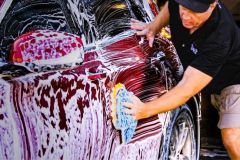 Best Car Wash for Chevy Equinox Plastic Trim CareDiscover how to choose the best car wash near me for Chevy Equinox models and prevent plastic trim drying streaks with proper washing and detailing techniques.
 Car Wash Near Me With Fleet Account Management and ReportsDiscover how a car wash near me with fleet account management, online billing, and detailed reports helps businesses save time, control costs, and keep company vehicles clean.
 Best Car Wash for Convertible Tops Near Me