What this guide helps you decide
Use the article to prepare questions, compare public listing signals, and avoid choosing a provider from one headline, rating, or search result alone.
- 1. Understanding the Importance of Maintenance
- 2. Basic Maintenance Tips for Car Wash Equipment
- 3. Advanced Maintenance Techniques
- Confirm current hours, services, prices, appointment rules, and availability with the provider.
- Compare more than one listing when the decision affects safety, cost, or travel time.
- Use public ratings and photos as signals, not guarantees.
- 1. Understanding the Importance of Maintenance
- 2. Basic Maintenance Tips for Car Wash Equipment
- 3. Advanced Maintenance Techniques
- 4. Common Issues and How to Fix Them
- 5. When to Seek Professional Help
1. Understanding the Importance of Maintenance
Maintaining car wash equipment is crucial for any operator looking to ensure smooth and efficient operations. Regular maintenance helps prevent unexpected breakdowns, extends the lifespan of your machines, and guarantees high-quality services for your customers. A well-maintained car wash setup not only ensures safety but also improves the overall customer experience. Without proper care, car wash equipment can quickly deteriorate, leading to costly repairs and downtime.
For operators, it’s essential to grasp why maintenance is more than just an added task; it’s a critical part of running a successful car wash business. Whether you're operating a touchless or traditional car wash system, your equipment requires regular checks to maintain optimal performance. Let’s explore how routine maintenance can be the key to long-term success.
2. Basic Maintenance Tips for Car Wash Equipment
When it comes to maintaining your car wash equipment, consistency is key. Here are some basic yet vital maintenance tips for ensuring your car wash equipment stays in top shape:
- Daily Inspection: Conduct a daily inspection of all equipment. Look for any signs of wear or damage such as cracks in hoses or leaks. Regularly cleaning sensors and nozzles is also important to avoid buildup that could affect performance.
- Water Quality Check: The quality of water used in car washing is vital. Ensure your water filtration system is working properly. Low water quality can cause deposits that clog your equipment and reduce its efficiency.
- Lubrication: Ensure moving parts, such as motors and pumps, are adequately lubricated. This reduces friction and wear, which helps in extending the life of your equipment.
- Component Cleaning: Regularly clean all parts of the machine to avoid soap scum, grime, and other debris from building up. This includes nozzles, belts, pumps, and dryers.
By sticking to these simple practices, operators can avoid common issues and ensure their equipment works smoothly without costly interruptions.
3. Advanced Maintenance Techniques
For those looking to take maintenance a step further, there are advanced techniques that can significantly improve the reliability and longevity of your car wash equipment. While some of these methods may require professional knowledge, they are beneficial for those running large-scale operations or high-demand facilities.
- Hydraulic and Electrical System Maintenance: Regularly inspect hydraulic lines for wear and tear. Electrical systems, especially control panels and sensors, should be examined for corrosion or any loose connections. This can prevent potential system failures.
- Calibrating Pressure and Flow Rates: Proper calibration of pressure and water flow rates ensures that your car wash equipment is functioning within its optimal specifications. This is especially critical in touchless car washes, where precise water flow is key to cleaning effectiveness.
- Software Updates: Some modern car wash systems are equipped with advanced software. Ensure the system is updated to prevent software malfunctions, which can affect equipment functionality. Regular updates help keep everything running efficiently.
Taking these steps can help reduce major equipment issues and prevent disruptions that could affect service delivery. Professional help may be necessary for some of these advanced maintenance steps, but they can save money and time in the long run.
4. Common Issues and How to Fix Them
Despite proper maintenance, car wash equipment may encounter issues over time. Here are some common problems operators face and how to address them:
- Water Pressure Issues: If the water pressure is too low, check for blockages in the water lines or the pressure regulator. Clean or replace any clogged filters.
- Dryer Not Working: A common issue with car wash dryers is a malfunctioning fan or motor. Inspect the fan blades and motor for damage. If necessary, replace the faulty components.
- Malfunctioning Sensors: Dirty or misaligned sensors can cause inconsistent washing. Clean the sensors regularly and ensure they are properly aligned to avoid these issues.
- Leaks: Leaks in hoses and connections can cause significant water loss and inefficiency. Regularly inspect the hoses for cracks or loose fittings and replace them promptly.
These are just a few examples, but they represent some of the most common problems that can impact car wash equipment. Addressing these early on can prevent bigger issues down the road.
5. When to Seek Professional Help
While routine maintenance can be handled by most car wash operators, certain situations call for professional intervention. If your equipment is showing signs of complex issues—such as electrical failures, major water system problems, or hydraulic malfunctions—it’s best to consult with a professional technician. Sometimes, specific components need specialized tools or expertise that only certified professionals can provide.
For operators who are uncertain about tackling advanced maintenance themselves, it’s worth investing in professional car wash service providers. For high-quality products and service recommendations, visit Gibby Car Wash, where you can find reliable maintenance tools and trusted professionals to keep your equipment in top condition.
Related Car Wash Guides
Keep reading if you are still comparing service scope, estimate questions, maintenance needs, or listing quality.
 How to Clean Car Navigation Screen Without DamageLearn How to Clean Car Navigation Screen safely without harsh chemicals. Discover the best cleaning methods, tools, mistakes to avoid, and professional car care tips for keeping your touchscreen clear.
 Why Wash Your Car Before Waxing or Sealing? Prep MattersLearn why you should wash your car before applying wax or sealant and how proper prep work improves shine, protection, and long-lasting results for your vehicle.
 Steam Car Wash Near Me for Interior Sanitizing Without WaterDiscover how a car wash near me that uses steam cleaning can sanitize your vehicle interior without water, remove odors, and provide an eco friendly deep cleaning solution.
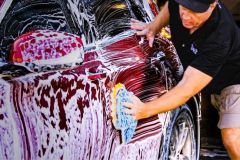 Best Car Wash for Chevy Equinox Plastic Trim CareDiscover how to choose the best car wash near me for Chevy Equinox models and prevent plastic trim drying streaks with proper washing and detailing techniques.
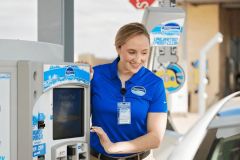 Car Wash Near Me With Fleet Account Management and ReportsDiscover how a car wash near me with fleet account management, online billing, and detailed reports helps businesses save time, control costs, and keep company vehicles clean.
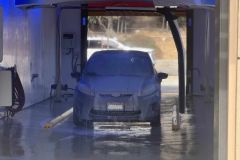 Best Car Wash for Convertible Tops Near Me