What this guide helps you decide
Use the article to prepare questions, compare public listing signals, and avoid choosing a provider from one headline, rating, or search result alone.
- Why Washing a Wrapped Car Requires a Different Mindset
- Understanding What Makes Vinyl Wraps and Decals Sensitive
- Pre-Wash Preparation That Prevents Most Damage
- Confirm current hours, services, prices, appointment rules, and availability with the provider.
- Compare more than one listing when the decision affects safety, cost, or travel time.
- Use public ratings and photos as signals, not guarantees.
- understanding-vinyl-wrap-basics - What makes wrapped cars different from painted vehicles
- pre-wash-preparation - How to prepare a wrapped car before cleaning
- safe-hand-washing-method - Step-by-step vinyl wrap washing technique
- pressure-wash-risks-and-limits - When pressure washing becomes dangerous
- decal-and-graphic-care - Special attention for printed designs and stickers
- real-world-mistakes-and-repair-stories - Common damage scenarios and how they happen
Why Washing a Wrapped Car Requires a Different Mindset
Learning how to wash a car with a vinyl wrap or decals is not just a detailing preference—it is a completely different maintenance approach. Unlike traditional paint, vinyl film sits on top of the surface and can be affected by heat, pressure, harsh chemicals, and even aggressive scrubbing techniques.
Many drivers choose wraps for customization, advertising, or paint protection. But what often gets overlooked is that the durability of the wrap depends heavily on how it is cleaned. A simple mistake, like using the wrong brush or too much pressure, can lift edges or dull printed graphics.
In cities where wrapped delivery vans and branded cars are common, detailers often say that improper washing is the number one reason wraps fail early. That means learning proper care is not optional—it directly affects how long your investment lasts.
Understanding What Makes Vinyl Wraps and Decals Sensitive
Vinyl wraps are made from layered polymer films designed to adhere to vehicle surfaces while remaining flexible. Decals and graphics are often printed with ink layers that sit closer to the surface than automotive paint.
This structure makes them vulnerable in three key ways:
• Edges can lift if high-pressure water is forced underneath• Printed layers can fade if harsh detergents are used• Surface texture can become cloudy if abrasive materials are applied
Even sunlight and temperature changes affect adhesion over time. That is why car wrap maintenance requires more precision compared to standard car washing routines.
Professional services like Gibby Car Wash often train technicians to treat wrapped vehicles as “sensitive surface projects” rather than standard exterior cleaning jobs.
Pre-Wash Preparation That Prevents Most Damage
Before any water touches the vehicle, preparation plays a major role in protecting vinyl graphics. A proper rinse setup can reduce the risk of scratching or edge lifting.
Start by inspecting the wrap closely. Look for:
• Lifting edges around doors or bumpers• Air bubbles under decals• Cracked or aging vinyl sections
These areas should be treated gently or avoided entirely during the wash process.
It is also important to remove loose dirt using a soft rinse rather than wiping it dry. Dry wiping can act like sandpaper on vinyl surfaces, especially if the car has been driven through dust, pollen, or road grime.
Temperature matters too. Washing in direct hot sunlight can soften adhesive layers and make wraps more vulnerable to streaking or peeling.
Safe Hand-Washing Technique for Wrapped Vehicles
The safest method for cleaning a wrapped car is a low-pressure hand wash using a pH-neutral soap. The goal is to glide over the surface rather than scrub it aggressively.
Start with a gentle top-to-bottom rinse. This removes loose debris before contact washing begins. Then use a microfiber wash mitt instead of sponges or brushes.
The key technique is light pressure and straight-line motions. Circular scrubbing can sometimes create swirl marks or stress edges of printed graphics.
After washing, rinse thoroughly and dry using a clean microfiber towel. Air drying is not recommended because water spots can cling to textured vinyl surfaces.
Detailers often recommend breaking the washing process into sections so soap does not dry on the surface. This helps maintain consistency across large wrapped panels like vans or trucks.
Pressure Washing: When It Helps and When It Harms
Pressure washers are useful, but they are also one of the biggest risks for vinyl wrap damage when misused. The problem is not pressure alone—it is distance and angle.
A safe approach involves keeping the nozzle at least a moderate distance from the surface and avoiding direct edge spraying. High-pressure water can force its way under seams, especially around door handles and trim lines.
Some vehicle owners assume higher pressure equals better cleaning, but in reality, wrapped surfaces respond better to chemical lift and gentle rinsing rather than force.
If you are unsure, many professionals at Gibby Car Wash recommend defaulting to touchless or low-pressure systems designed specifically for delicate finishes.
Decals and Printed Graphics Need Extra Attention
Decals and printed wraps behave differently from solid-color vinyl. The printed ink layer is more exposed, meaning harsh cleaning methods can gradually reduce sharpness and color depth.
For vehicles with logos, branding, or custom artwork, washing technique becomes part of brand maintenance. A faded logo on a delivery van can affect how customers perceive the business.
One real-world example comes from a small food truck owner who noticed his colorful graphics fading after repeated automatic car washes. The issue was not the wrap quality—it was repeated brush friction combined with strong detergents.
After switching to hand washing and protective detailing spray, the graphics regained clarity and stayed vibrant much longer.
Common Mistakes That Lead to Wrap Damage
Most vinyl wrap problems do not come from accidents—they come from repeated small mistakes. Over time, these habits add up.
One of the most common issues is using household cleaning products that contain solvents or alcohol. These chemicals can weaken adhesive layers and cause bubbling.
Another frequent mistake is washing too aggressively around edges. Once an edge lifts slightly, water can enter underneath and expand the damage during future washes.
Automatic car washes with stiff brushes are also risky because they create repetitive friction across large surface areas, especially on roof and hood panels.
Understanding these risks helps extend the life of your wrap significantly, sometimes by several years.
Real-Life Scenario: When a Wrap Was Saved by Changing Habits
A delivery driver in a busy metropolitan area once brought in a van with peeling edges and dull graphics. The wrap was only two years old, but already showing heavy wear.
The issue turned out to be routine tunnel car washes used multiple times per week. The combination of brushes and high-heat drying systems had slowly weakened the vinyl adhesive.
After switching to a gentle hand-washing routine and using protective sealants designed for vinyl, the deterioration stopped. While existing damage could not be reversed, further peeling was prevented.
This kind of case is more common than people think, especially for commercial vehicles that rely heavily on branding visibility.
Long-Term Care Strategy for Vinyl-Wrapped Cars
Maintaining a wrapped vehicle is not just about washing—it is about building a consistent care routine. Regular gentle cleaning, shade parking when possible, and occasional inspection of edges can dramatically extend wrap life.
Protective detailing sprays designed for vinyl can also help reduce dirt adhesion and make future washes easier. These products create a light barrier without damaging the surface texture.
If a wrap begins showing early signs of wear, addressing it quickly prevents further spread. Small lifting edges can often be resealed before they become larger failures.
For drivers who want professional-level maintenance, services like Gibby Car Wash offer wrap-safe cleaning systems that prioritize material longevity over aggressive cleaning speed.
Why Proper Washing Protects More Than Just Appearance
A clean wrapped car is not just about aesthetics—it is about preserving investment value. Whether the wrap is for personal customization or business branding, damage control directly affects cost over time.
Understanding how to wash a car with a vinyl wrap or decals safely ensures that color, texture, and adhesion remain stable through seasonal changes and daily use.
When treated correctly, vinyl wraps can last years while maintaining strong visual impact. When neglected, even high-quality wraps can fail prematurely.
Related Car Wash Guides
Keep reading if you are still comparing service scope, estimate questions, maintenance needs, or listing quality.
 How to Clean Car Navigation Screen Without DamageLearn How to Clean Car Navigation Screen safely without harsh chemicals. Discover the best cleaning methods, tools, mistakes to avoid, and professional car care tips for keeping your touchscreen clear.
 Why Wash Your Car Before Waxing or Sealing? Prep MattersLearn why you should wash your car before applying wax or sealant and how proper prep work improves shine, protection, and long-lasting results for your vehicle.
 Steam Car Wash Near Me for Interior Sanitizing Without WaterDiscover how a car wash near me that uses steam cleaning can sanitize your vehicle interior without water, remove odors, and provide an eco friendly deep cleaning solution.
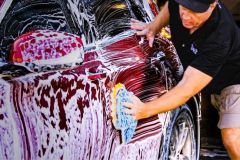 Best Car Wash for Chevy Equinox Plastic Trim CareDiscover how to choose the best car wash near me for Chevy Equinox models and prevent plastic trim drying streaks with proper washing and detailing techniques.
 Car Wash Near Me With Fleet Account Management and ReportsDiscover how a car wash near me with fleet account management, online billing, and detailed reports helps businesses save time, control costs, and keep company vehicles clean.
 Best Car Wash for Convertible Tops Near Me