
What this guide helps you decide
Use the article to prepare questions, compare public listing signals, and avoid choosing a provider from one headline, rating, or search result alone.
- 1- Why Washing and Protecting Cars in Coastal Regions Is Important
- 2- How Salt and Moisture Affect Your Car
- 3- Tips for Washing Your Car in Coastal Areas
- Confirm current hours, services, prices, appointment rules, and availability with the provider.
- Compare more than one listing when the decision affects safety, cost, or travel time.
- Use public ratings and photos as signals, not guarantees.
- 1- Why Washing and Protecting Cars in Coastal Regions Is Important
- 2- How Salt and Moisture Affect Your Car
- 3- Tips for Washing Your Car in Coastal Areas
- 4- Protective Products for Coastal Car Care
- 5- Common Problems and Solutions for Coastal Car Owners
1- Why Washing and Protecting Cars in Coastal Regions Is Important
If you live near the coast, you already know that the salty air, humidity, and moisture can take a toll on your car’s exterior. The proximity to the ocean and saltwater exposure accelerates the process of rusting, fading, and paint damage, which is why washing and protecting your car in these regions is essential for maintaining its appearance and longevity.
Protecting Your Car from Coastal Elements
Coastal areas introduce unique challenges to car owners. The salt carried in the air, the high humidity, and the possibility of seawater exposure can wreak havoc on your car’s surface, especially if it’s not properly washed or protected. Regular care is essential to ensure that your vehicle maintains its functionality and aesthetic appeal for years to come.
Preventing Rust and Corrosion
Salt from the sea, when combined with moisture, can cause your car’s metal parts to rust quickly. Rust not only damages your car’s appearance but can also compromise its structural integrity over time. This is particularly concerning for those who live in coastal areas where exposure to salt is constant.
2- How Salt and Moisture Affect Your Car
Understanding how salt and moisture interact with your car can help you take the necessary steps to protect it effectively.
1. Salt and Paint Damage
Salt, especially from seawater or road salt used in colder months, can settle on your car's paintwork. Over time, salt can eat away at the paint and cause unsightly blemishes, pitting, and peeling. Without protection, these marks can deepen, leading to extensive damage.
2. Corrosion of Underbody and Components
The underbody of your car is particularly vulnerable to salt exposure. Since this area is often out of sight, it’s easy to forget that it too needs care. Salt and moisture can seep into small cracks and crevices, causing rust to form on metal components like the chassis, suspension, and exhaust system. Regular cleaning and applying protective coatings are key to preventing long-term damage.
3. Wheel and Tire Issues
Salt can also cause your wheels to corrode, especially if you don’t clean them regularly. Brake components are vulnerable to salt and can become weakened over time. Additionally, moisture can cause tires to wear unevenly if left unchecked. This results in reduced traction, which is dangerous, especially on wet coastal roads.
3- Tips for Washing Your Car in Coastal Areas
Washing your car regularly is crucial to remove salt, dirt, and grime. Here are some tips to ensure that you do it properly:
1. Rinse Your Car Frequently
In coastal regions, it’s essential to rinse your car with fresh water frequently to remove any salt buildup. Salt residue can accumulate quickly, so it’s important to do this even if you’re not washing the entire car. A quick rinse will help reduce the risk of salt-related damage.
2. Use a Quality Car Wash Soap
Use a car-specific wash soap that’s designed to break down salt and dirt without damaging your car’s paint. Avoid household detergents as they can strip the protective wax layer from your vehicle’s surface. Car-specific soaps are gentle and designed to maintain your car’s finish while removing harmful salt residue.
3. Focus on the Undercarriage
Make sure to clean the undercarriage of your car, as this area is often overlooked. Salt can accumulate on the underside, leading to rust and corrosion. Use a high-pressure hose or a car wash station with an undercarriage cleaning option to blast away salt and moisture from the underside.
4. Dry Your Car Thoroughly
After washing your car, always dry it thoroughly with a clean, soft microfiber towel. This will prevent water spots from forming, especially in areas where salt is prevalent. Water spots can be difficult to remove once they’ve dried on your car’s surface, so drying the vehicle is an essential step.
4- Protective Products for Coastal Car Care
In addition to washing, it’s important to use protective products that can help safeguard your car from the harsh coastal elements.
1. Waxing Your Car
Applying a layer of wax to your car’s paint is one of the most effective ways to protect it from the elements. Wax acts as a barrier between your car’s paint and the salt in the air, preventing salt from settling on the surface. Reapply wax every few months to ensure your car stays protected.
2. Undercoating
Undercoating your car is a great way to protect the undercarriage from rust and corrosion. This protective layer seals metal components from moisture and salt, providing an extra layer of defense. Many car care services offer professional undercoating, which is especially useful if you live near the coast.
3. Paint Protection Film (PPF)
Consider applying a paint protection film to key areas of your car, especially if you’re driving in coastal areas with high salt exposure. PPF is a transparent film that acts as a shield for your car’s paint, protecting it from salt, rocks, and other environmental contaminants. It’s especially useful for high-risk areas like the front bumper and wheel arches.
5- Common Problems and Solutions for Coastal Car Owners
Living in coastal regions can present some challenges for car owners, but there are solutions to keep your vehicle in top condition:
1. Rust Formation
Rust is a common problem in coastal areas due to the constant exposure to salt. The best way to prevent rust is to wash your car regularly and apply protective coatings such as wax or undercoating. If you notice any signs of rust, take immediate action to treat it before it spreads further.
2. Fading Paint
The sun’s rays combined with salt air can cause your car’s paint to fade over time. To protect your car from fading, park it in shaded areas whenever possible and apply protective wax regularly. Additionally, consider using a car cover if you’re leaving your car parked outdoors for extended periods.
3. Corroded Wheels
Wheels are particularly vulnerable to corrosion in coastal regions. To avoid this, clean your wheels frequently and apply a wheel-specific cleaner designed to break down salt and grime. Using a protective coating designed for wheels can also provide added defense against salt and moisture buildup.
For the best products and professional services to keep your car looking great and protected in coastal environments, visit Gibby Car Wash for expert advice and high-quality car care solutions.
Related Car Wash Guides
Keep reading if you are still comparing service scope, estimate questions, maintenance needs, or listing quality.
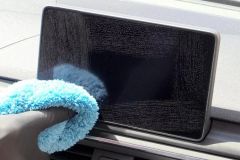 How to Clean Car Navigation Screen Without DamageLearn How to Clean Car Navigation Screen safely without harsh chemicals. Discover the best cleaning methods, tools, mistakes to avoid, and professional car care tips for keeping your touchscreen clear.
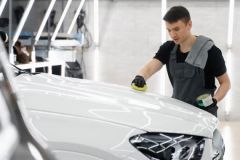 Why Wash Your Car Before Waxing or Sealing? Prep MattersLearn why you should wash your car before applying wax or sealant and how proper prep work improves shine, protection, and long-lasting results for your vehicle.
 Steam Car Wash Near Me for Interior Sanitizing Without WaterDiscover how a car wash near me that uses steam cleaning can sanitize your vehicle interior without water, remove odors, and provide an eco friendly deep cleaning solution.
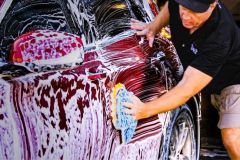 Best Car Wash for Chevy Equinox Plastic Trim CareDiscover how to choose the best car wash near me for Chevy Equinox models and prevent plastic trim drying streaks with proper washing and detailing techniques.
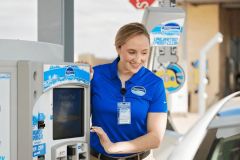 Car Wash Near Me With Fleet Account Management and ReportsDiscover how a car wash near me with fleet account management, online billing, and detailed reports helps businesses save time, control costs, and keep company vehicles clean.
 Best Car Wash for Convertible Tops Near Me