
What this guide helps you decide
Use the article to prepare questions, compare public listing signals, and avoid choosing a provider from one headline, rating, or search result alone.
- Understanding Cross Contamination in Car Detailing
- Why Wheels and Paint Should Never Share Buckets
- Hidden Risks Most DIY Car Washers Don’t Notice
- Confirm current hours, services, prices, appointment rules, and availability with the provider.
- Compare more than one listing when the decision affects safety, cost, or travel time.
- Use public ratings and photos as signals, not guarantees.
- - Understanding Cross Contamination in Car Detailing - #cross-contamination-basics
- - Why Wheels and Paint Should Never Share Buckets - #separate-buckets-importance
- - Hidden Risks Most DIY Car Washers Don’t Notice - #hidden-risks
- - Real-Life Damage Cases Caused by Poor Washing Habits - #real-damage-stories
- - Professional Detailing Workflow and Bucket Systems - #professional-workflow
- - Step-by-Step Proper Washing Method Explained - #washing-method
- - Common Mistakes That Damage Car Paint Over Time - #common-mistakes
- - Long-Term Protection and Maintenance Strategies - #long-term-protection
Understanding Cross Contamination in Car Detailing
In the world of car care, cross contamination detailing is one of the most overlooked issues among beginners and even some experienced car owners. It happens when dirt, brake dust, and grit from one part of the vehicle—especially wheels—get transferred onto the paint surface during washing.
At first, it may seem harmless to use a single bucket for the entire car wash process. However, wheels are by far the dirtiest part of any vehicle. They collect brake dust, road tar, metal particles, and grime that can be extremely abrasive.
When this contamination is transferred onto paint, it can create micro-scratches that dull the finish over time. This is why professionals always emphasize separate buckets for wheels and paint as a core principle in safe washing practices.
A professional detailer once described wheel grime as “liquid sandpaper waiting to destroy your clear coat if handled incorrectly.”
Why Wheels and Paint Should Never Share Buckets
The logic behind using a dedicated car wash bucket system is simple: wheels and paint require completely different levels of care and cleanliness. Wheels are exposed to high heat and constant friction, which causes brake dust to bond tightly to surfaces.
If the same water and wash mitt are used on both wheels and paint, abrasive particles are inevitably transferred onto the car’s body. Even if the paint looks clean, microscopic contaminants can cause long-term damage.
Paint surfaces are delicate compared to wheels. Modern clear coats are designed to reflect light smoothly, but even small scratches can disrupt this reflection and create swirl marks.
A detailing shop in Los Angeles reported that over 60% of swirl mark complaints came from DIY car washes where a single-bucket method was used.
Hidden Risks Most DIY Car Washers Don’t Notice
Many car owners underestimate the risks of improper washing techniques. One major issue is reusing a dirty wash mitt after cleaning wheels. This introduces cross contamination detailing directly onto the paint surface.
Another hidden risk is using the same rinse water. Even if two buckets are used, if one becomes contaminated and is not changed frequently, the entire washing process becomes compromised.
Brake dust particles are especially dangerous because they often contain tiny metal fragments that can embed into paint and cause rust spots over time.
A mobile detailing technician once shared that he could immediately tell when a car had been washed improperly just by the pattern of swirl marks under sunlight.
Real-Life Damage Cases Caused by Poor Washing Habits
One common story involves a car enthusiast in Texas who washed his black sedan every weekend using a single bucket method. Initially, the car looked clean and shiny, but within a year, the paint developed heavy swirl marks and dull patches.
After visiting a professional detailer, he learned that the damage was caused by repeated contamination transfer from wheels to paint.
Another case involved a dealership in Florida where improperly trained staff used the same wash materials for multiple vehicles. Over time, this resulted in visible paint defects across several cars on display.
These real-world examples highlight how small mistakes in washing routines can lead to expensive paint correction or even long-term damage.
Professional Detailing Workflow and Bucket Systems
Professional detailers rely heavily on structured workflows to prevent contamination. A standard detailing workflow setup usually includes at least two to three buckets: one for wheels, one for paint wash, and one for rinse water.
The wheel bucket is used exclusively for cleaning rims, tires, and wheel wells. This prevents harsh contaminants from entering the paint cleaning process.
The paint bucket is kept as clean as possible, often paired with a grit guard at the bottom to trap particles and reduce swirl risk.
The rinse bucket is used to clean wash mitts before reloading them with soap, ensuring that dirt is not reintroduced to the car’s surface.
At Gibby Car Wash, professionals emphasize that the separation of buckets is not just a suggestion—it is a foundational rule for achieving swirl-free finishes.
Step-by-Step Proper Washing Method Explained
A safe washing process begins with rinsing the entire vehicle to remove loose dirt. This reduces the chance of dragging debris across the paint surface.
Next, wheels are cleaned first using a dedicated wheel bucket and separate brushes. This ensures that the dirtiest part of the car is handled independently.
After wheels are completed, the paint wash begins using a fresh mitt and clean soapy water from the paint bucket.
The rinse bucket is used frequently throughout the process to avoid contaminating clean water. This method significantly reduces the risk of car paint damage prevention issues.
Finally, the vehicle is rinsed again and dried using microfiber towels to avoid water spotting and further surface abrasion.
Common Mistakes That Damage Car Paint Over Time
One of the most frequent mistakes is washing wheels last. This allows brake dust to sit longer on the surface and increases the chance of contamination spreading.
Another mistake is skipping the rinse bucket entirely. Without rinsing the wash mitt, dirt accumulates quickly and becomes abrasive during washing.
Using household sponges instead of microfiber mitts is also a major issue, as sponges trap debris instead of releasing it during rinsing.
Some car owners also reuse old towels for drying, which can contain hidden particles that scratch paint surfaces.
Detailing experts consistently warn that these small habits collectively lead to long-term paint degradation.
Long-Term Protection and Maintenance Strategies
Protecting your vehicle requires more than just washing techniques. Applying wax or ceramic coatings helps create a protective barrier that reduces the impact of contamination.
Regular maintenance washing using separate buckets for wheels and paint ensures that protective layers remain intact longer and continue to perform effectively.
Routine inspections of paint under sunlight can also help identify early swirl marks before they become severe.
Professional detailing services like those offered through Gibby Car Wash often combine advanced cleaning methods with protective treatments to extend vehicle lifespan and appearance.
Ultimately, understanding cross contamination detailing is essential for anyone who wants to maintain a flawless vehicle finish. Proper bucket separation is one of the simplest yet most effective ways to protect your investment and ensure long-lasting shine.
Related Car Wash Guides
Keep reading if you are still comparing service scope, estimate questions, maintenance needs, or listing quality.
 How to Clean Car Navigation Screen Without DamageLearn How to Clean Car Navigation Screen safely without harsh chemicals. Discover the best cleaning methods, tools, mistakes to avoid, and professional car care tips for keeping your touchscreen clear.
 Why Wash Your Car Before Waxing or Sealing? Prep MattersLearn why you should wash your car before applying wax or sealant and how proper prep work improves shine, protection, and long-lasting results for your vehicle.
 Steam Car Wash Near Me for Interior Sanitizing Without WaterDiscover how a car wash near me that uses steam cleaning can sanitize your vehicle interior without water, remove odors, and provide an eco friendly deep cleaning solution.
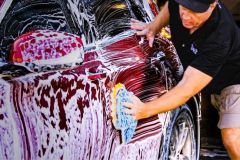 Best Car Wash for Chevy Equinox Plastic Trim CareDiscover how to choose the best car wash near me for Chevy Equinox models and prevent plastic trim drying streaks with proper washing and detailing techniques.
 Car Wash Near Me With Fleet Account Management and ReportsDiscover how a car wash near me with fleet account management, online billing, and detailed reports helps businesses save time, control costs, and keep company vehicles clean.
 Best Car Wash for Convertible Tops Near Me