
What this guide helps you decide
Use the article to prepare questions, compare public listing signals, and avoid choosing a provider from one headline, rating, or search result alone.
- Winter Car Washing Challenges in Cold Weather Driving
- Understanding Rinseless Wash Solution for Winter Care
- Essential Tools for a Safe Winter Rinseless Wash
- Confirm current hours, services, prices, appointment rules, and availability with the provider.
- Compare more than one listing when the decision affects safety, cost, or travel time.
- Use public ratings and photos as signals, not guarantees.
- Winter Car Wash Challenges - understanding cold-weather paint risks and road salt issues
- Rinseless Wash Basics - how low-water cleaning actually works safely
- Essential Tools Setup - microfiber towels, buckets, and dilution ratios
- Step-by-Step Winter Washing Method - safe process without a hose
- Common Mistakes Drivers Make - avoiding scratches and swirl marks
- Real-Life Winter Detailing Story - practical experience from harsh climates
- Paint Protection Strategy - maintaining shine in freezing conditions
- Professional Insights - how detailers approach winter washing
- DIY vs Professional Help - when to upgrade your cleaning routine
- Cold Weather Maintenance Habits - keeping your car clean all season
Winter Car Washing Challenges in Cold Weather Driving
Winter driving in the United States creates a very specific set of problems for vehicle owners. Unlike warm seasons where dust and pollen are the main concerns, winter introduces road salt, magnesium chloride, sand, and slush. These contaminants are highly corrosive and can quietly damage clear coats, wheel finishes, and undercarriage components.
How road salt silently affects your vehicle
When snow melts on highways, salt dissolves into a thin film that sticks aggressively to paint and metal surfaces. Over time, this accelerates oxidation and creates micro-pitting on exposed areas. Drivers often underestimate how quickly this damage can begin—sometimes within a single week of heavy snow exposure.
This is why a winter car wash routine is not just cosmetic maintenance. It is a protective habit that directly impacts the long-term value of your vehicle.
Understanding Rinseless Wash Solution for Winter Care
A rinseless wash solution is a specialized cleaning method designed for situations where running water or hoses are not available or practical. Instead of relying on high-pressure water flow, the solution uses lubricating polymers that encapsulate dirt particles and safely lift them away from the paint surface.
Why rinseless washing is effective without a hose
The chemistry behind rinseless washing is surprisingly advanced. When applied correctly, the solution reduces surface tension between dirt and paint. This allows contaminants to be removed with minimal friction using microfiber towels.
Unlike traditional washing, where heavy water flow is required to rinse away debris, this method depends on controlled wiping techniques. This is why it is especially useful during freezing temperatures when water access is limited or unsafe.
Essential Tools for a Safe Winter Rinseless Wash
Before starting, preparation matters more than technique. Many swirl marks and scratches happen not because the method is wrong, but because the tools are insufficient or improperly used.
Choosing the right microfiber towels
High-quality microfiber towels are essential because they trap dirt within their fibers instead of dragging it across the paint. For winter washing, thicker towels with high GSM ratings are preferred since they retain lubrication better and reduce surface friction.
Bucket and dilution system
Even though this method is “no hose needed,” a bucket system is still important. Typically, a two-bucket setup is used—one for the rinseless solution and one for rinsing dirty towels. Proper dilution ensures the solution maintains its lubricating properties.
Many enthusiasts also include grit guards at the bottom of buckets to prevent dirt from being reintroduced onto wash mitts.
Step-by-Step Winter Car Cleaning Without Running Water
The process of a rinseless wash is methodical. It is less about speed and more about controlled precision. Each movement is intentional to protect the paint surface.
1. Pre-soaking the surface
Start by lightly misting a section of the vehicle with the rinseless solution. This step loosens surface dirt and begins encapsulating particles so they can be safely removed.
2. Panel-by-panel wiping technique
Work in small sections. Fold your microfiber towel into quarters and gently wipe in straight lines. Avoid circular motions, as they increase the risk of swirl marks.
After each pass, flip to a clean side of the towel. Once all sides are used, replace it with a fresh microfiber towel.
3. Controlled drying phase
Drying is just as important as washing. Use a second dry microfiber towel to remove any remaining moisture. In cold climates, this step prevents freezing spots from forming on the surface.
Common Mistakes During Winter Rinseless Washing
One of the most frequent mistakes is applying too much pressure while wiping. Dirt particles trapped between towel and paint can act like sandpaper if excessive force is used.
Using the same towel repeatedly without rotation
Another issue is failing to rotate microfiber towels. Once a towel becomes saturated with dirt, continuing to use it increases the likelihood of scratching the surface.
Experienced detailers often recommend keeping a stack of towels ready rather than trying to stretch one or two throughout the entire wash.
Real Winter Detailing Experience From Harsh Climates
A notable example comes from a car enthusiast in Chicago who documented his winter routine over several seasons. During particularly harsh winters with frequent snowstorms, he switched entirely to rinseless washing in his apartment parking garage.
At first, he was skeptical about not using a hose. However, after a full winter season, he noticed something interesting: his paint had fewer micro-scratches compared to previous years when he used traditional car washes with automated brushes.
The key difference wasn’t just the method—it was control. He could clean his car immediately after snow exposure rather than waiting for warmer conditions or risking frozen water hoses.
Protecting Paint During Cold Season Maintenance
Winter conditions are particularly harsh on wax layers and sealants. Salt and abrasive particles degrade protective coatings faster than regular dirt or dust.
Using protective layers effectively
Before winter begins, applying a ceramic coating or high-quality sealant can significantly improve resistance to contaminants. When combined with a rinseless wash routine, this creates a strong defense system against environmental damage.
Regular maintenance washing ensures that protective layers remain intact rather than being stripped by harsh washing techniques.
Professional Detailing Perspective on No-Hose Washing
Professional detailers often rely on rinseless wash methods in winter environments, especially in urban areas where water access is limited. Mobile detailing businesses use this approach to service clients in underground parking garages or apartment complexes.
This method is not considered a compromise—it is a controlled technique. Many professionals argue that when done correctly, it can be safer than traditional pressure washing because it reduces uncontrolled water force and minimizes contamination spread.
Some detailing professionals even integrate advanced lubricating solutions that enhance glide and reduce friction further, especially on darker-colored vehicles where swirl marks are more visible.
When to Upgrade Your Winter Car Care Routine
While DIY rinseless washing is highly effective, there are times when professional support becomes valuable. Vehicles with heavy salt buildup, neglected paint surfaces, or older clear coats may require deeper cleaning and correction.
This is where services like Gibby Car Wash become relevant. For drivers who want consistent winter protection without managing every detail themselves, accessing professional-grade cleaning products and services can simplify maintenance. It also ensures that your vehicle receives proper care during the harshest months of the year.
Building Better Cold Weather Car Maintenance Habits
Consistency is more important than intensity when it comes to winter vehicle care. A light rinseless wash every one to two weeks is often more effective than waiting for heavy buildup and attempting aggressive cleaning later.
Developing a realistic routine
Drivers who succeed in maintaining clean winter vehicles usually follow a predictable pattern: quick cleaning after snow exposure, gentle maintenance washes during dry days, and periodic inspection of high-risk areas like wheel wells and lower panels.
Over time, this approach not only preserves appearance but also reduces long-term maintenance costs by preventing corrosion and paint damage.
Advanced Insight for Long-Term Vehicle Preservation
The real advantage of rinseless washing in winter is control. Unlike automated systems or high-pressure washes, it allows the driver to interact directly with the surface of the car, noticing issues early and addressing them before they become permanent.
This level of attention transforms car maintenance from a reactive task into a proactive preservation habit. Over multiple winters, the difference in paint clarity, gloss retention, and overall vehicle condition becomes highly noticeable.
For drivers serious about maintaining their vehicle’s condition, combining rinseless washing with professional-grade products from Gibby Car Wash creates a balanced strategy between DIY care and expert-level protection.
Related Car Wash Guides
Keep reading if you are still comparing service scope, estimate questions, maintenance needs, or listing quality.
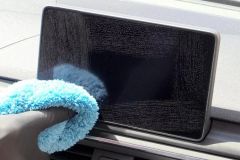 How to Clean Car Navigation Screen Without DamageLearn How to Clean Car Navigation Screen safely without harsh chemicals. Discover the best cleaning methods, tools, mistakes to avoid, and professional car care tips for keeping your touchscreen clear.
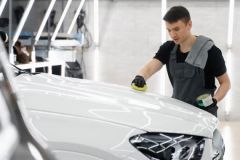 Why Wash Your Car Before Waxing or Sealing? Prep MattersLearn why you should wash your car before applying wax or sealant and how proper prep work improves shine, protection, and long-lasting results for your vehicle.
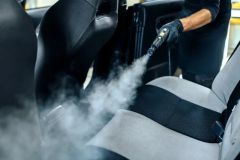 Steam Car Wash Near Me for Interior Sanitizing Without WaterDiscover how a car wash near me that uses steam cleaning can sanitize your vehicle interior without water, remove odors, and provide an eco friendly deep cleaning solution.
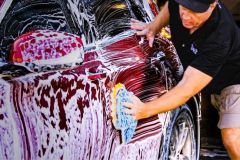 Best Car Wash for Chevy Equinox Plastic Trim CareDiscover how to choose the best car wash near me for Chevy Equinox models and prevent plastic trim drying streaks with proper washing and detailing techniques.
 Car Wash Near Me With Fleet Account Management and ReportsDiscover how a car wash near me with fleet account management, online billing, and detailed reports helps businesses save time, control costs, and keep company vehicles clean.
 Best Car Wash for Convertible Tops Near Me